 Guides
Things to see in Torremolinos: beaches, activities, events
What to see in Torremolinos with our official tourist guide: the best beaches, completely free activities, nightlife and events on the Costa del Sol.
Read guide →
What to see in Torremolinos with our official tourist guide: the best beaches, completely free activities, nightlife and events on the Costa del Sol.
Torremolinos is the beating heart of the Costa del Sol. What was once a humble fishing village in the 1950s is now one of the most international, diverse and vibrant tourist destinations in the entire Mediterranean. Situated just a stone’s throw from Málaga-Costa del Sol Airport, this town in the province of Málaga perfectly combines the charm of its Andalusian traditions with a cutting-edge infrastructure geared towards leisure, relaxation and entertainment, both day and night.
If you’re looking for things to do and see in Torremolinos for a weekend getaway break or want to make the most of your stay, this guide to Torremolinos will reveal everything from its vast golden sandy beaches to the hidden gems that very few tourists know about. Read on and plan an unforgettable trip with the best recommendations for transport, food and entertainment.
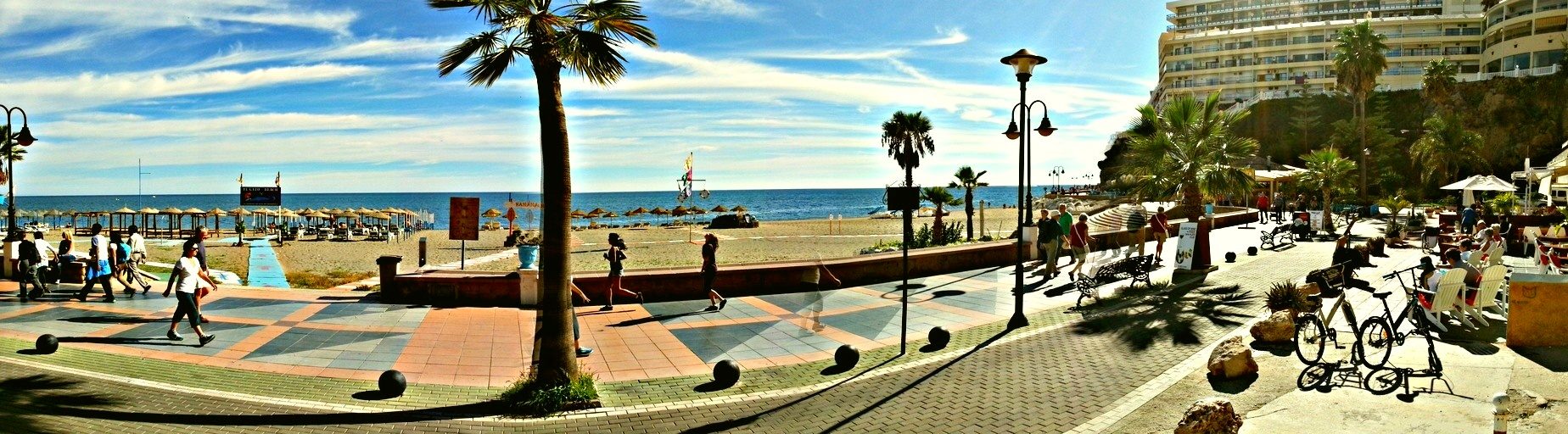
The Torremolinos coastline stretches for almost 7 kilometres, linked by an impressive, fully accessible pedestrian promenade, ideal for strolling, jogging or cycling. Geographically, the town has no natural coves or secluded cliffs; instead, it offers wide, clean stretches of dark sand and warm waters, each with its own distinct atmosphere, visitor mix and amenities.
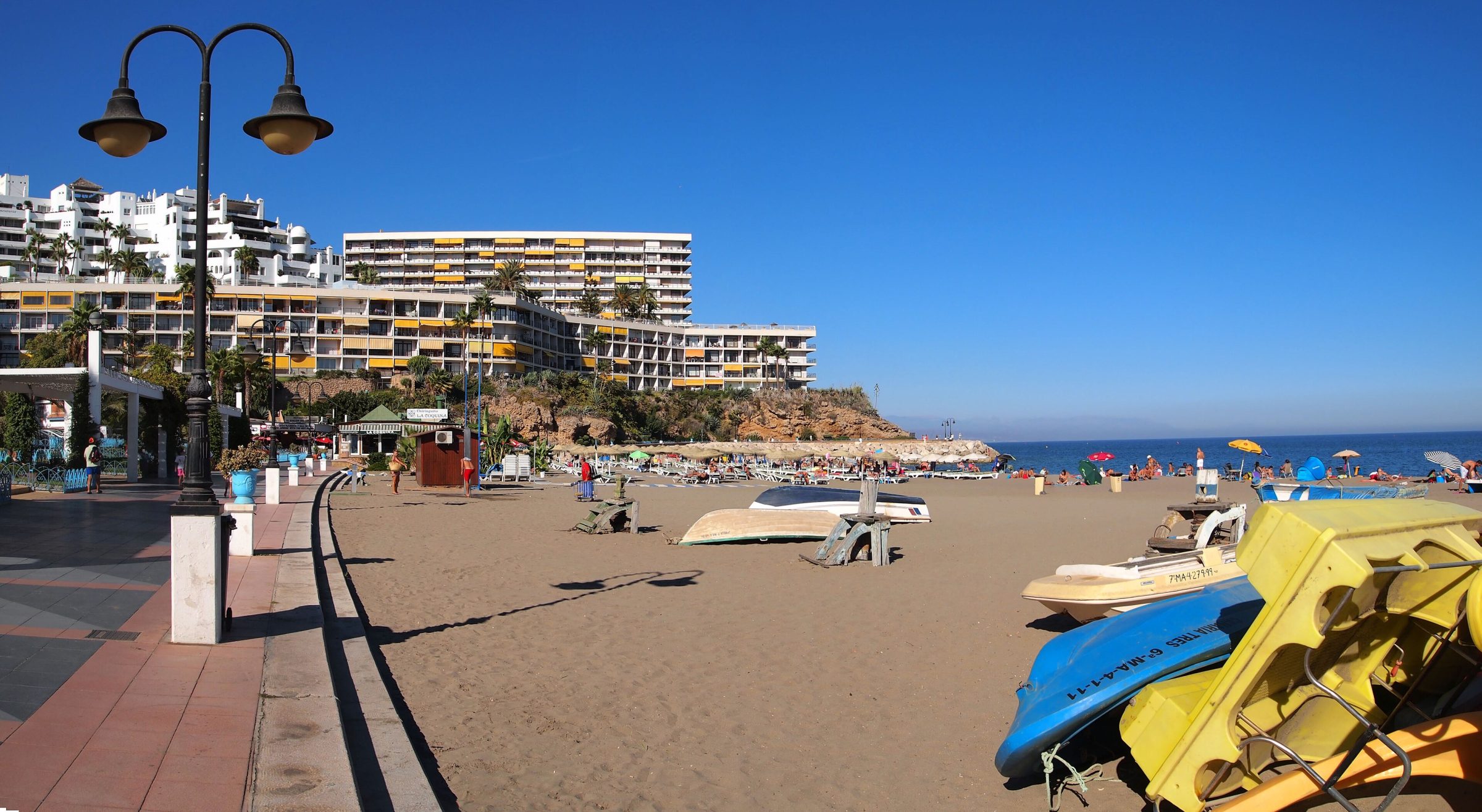
La Carihuela Beach is, without a doubt, the area with the most character and history in the municipality. This former fishing neighbourhood has managed to keep its seaside charm intact despite the tourism boom.
Stretching for over 2 kilometres, it is a beach with a distinctly family-friendly atmosphere, sheltered from strong currents and with remarkably calm waters, making it ideal if you’re travelling with young children or elderly people.
La Carihuela’s main attraction, beyond its sun loungers and parasols, is its culinary scene. Its seafront promenade is lined with dozens of beach bars and traditional restaurants specialising in Málaga’s famous ‘pescaíto frito’ (fried fish) and the iconic sardine skewers, grilled over charcoal on wooden boats.
Located right in the heart of Torremolinos, both in terms of its town centre and its geographical centre. You can reach it by walking down the legendary steps on Calle San Miguel or by using the convenient municipal lift.
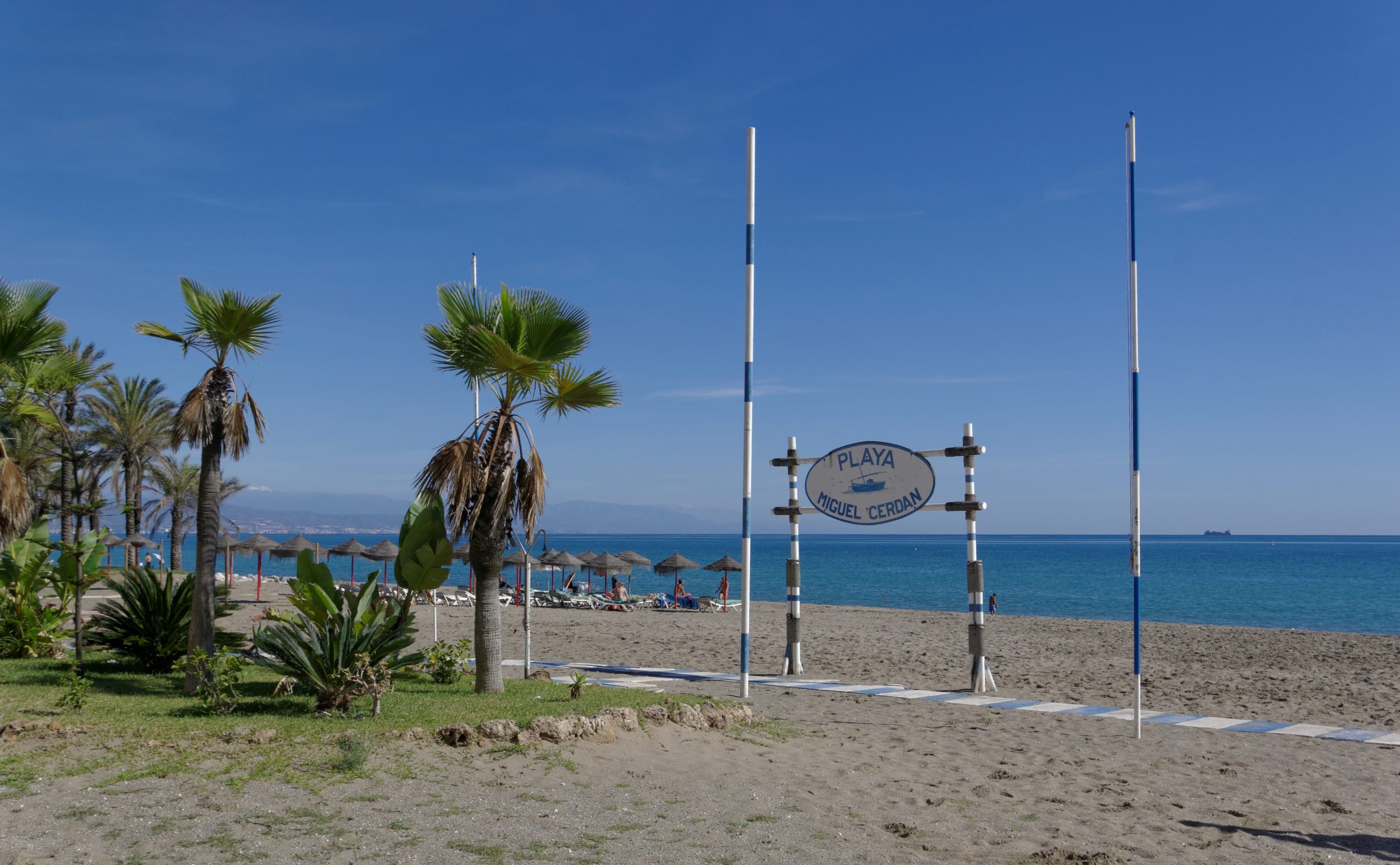
It is a spacious beach with excellent facilities: sun lounger hire, showers, public toilets, an oasis of palm trees providing natural shade, and a clearly marked cycle path. It also has large children’s play areas built right into the sand, making it a very convenient option for making the most of a day in the sun without straying far from the shops and amenities in the town centre.
Playa del Saltillo is a small, more secluded stretch of beach strategically situated between Playa de El Bajondillo and the boundary with the neighbouring municipality of Benalmádena (next to Puerto Marina). As it is a narrower, more residential stretch of coastline, it tends to be significantly less crowded than its neighbouring beaches during the high season. If you’re looking for a more relaxed spot to read a book, lie in the sun away from the hustle and bustle, and unwind to the sound of the waves, El Saltillo is your ideal spot in Torremolinos.
Playamar is the undisputed hub of physical activity and outdoor sports in Torremolinos. It boasts a vast stretch of fine sand and grassy green spaces that invite you to unwind. The beach is equipped for beach volleyball, where locals and visitors alike play matches daily, as well as perfectly marked and authorised water sports areas for practising and hiring equipment for sports such as windsurfing, paddleboarding and kitesurfing. The afternoon thermal wind is usually ideal for sailing and kitesurfing enthusiasts.
Situated in the easternmost part of Torremolinos, bordering the municipal area of Málaga city, Los Álamos Beach represents the town’s most modern, exclusive and youthful side. Although during the day it is a perfect beach for relaxing thanks to its vast expanse, as evening falls it is completely transformed.
Los Álamos is internationally renowned for being home to the area’s most exclusive beach clubs. Here, the beach experience is elevated with Balinese sun loungers, premium cocktails, international fusion cuisine and chill-out music or live DJ sets. It’s the perfect place to watch the sunset with a drink in hand and enjoy the most glamorous atmosphere on the coast near the capital of the Costa del Sol.
Not everything on the Costa del Sol requires you to get your wallet out. Torremolinos offers a wide range of cultural, natural and historical attractions that are completely free, allowing you to discover the heart and soul of the town without spending a single euro.
Calle San Miguel is the backbone of Torremolinos. This picturesque pedestrianised street is one of the busiest shopping streets in the whole of Europe. A stroll down it is like stepping into a hive of local life, where traditional souvenir shops sit alongside contemporary fashion boutiques, charming cafés, artisan ice-cream parlours and taverns where you can sample a sweet Málaga wine. Walking its length, admiring the architecture and enjoying the street performers, is the best introduction to the town.
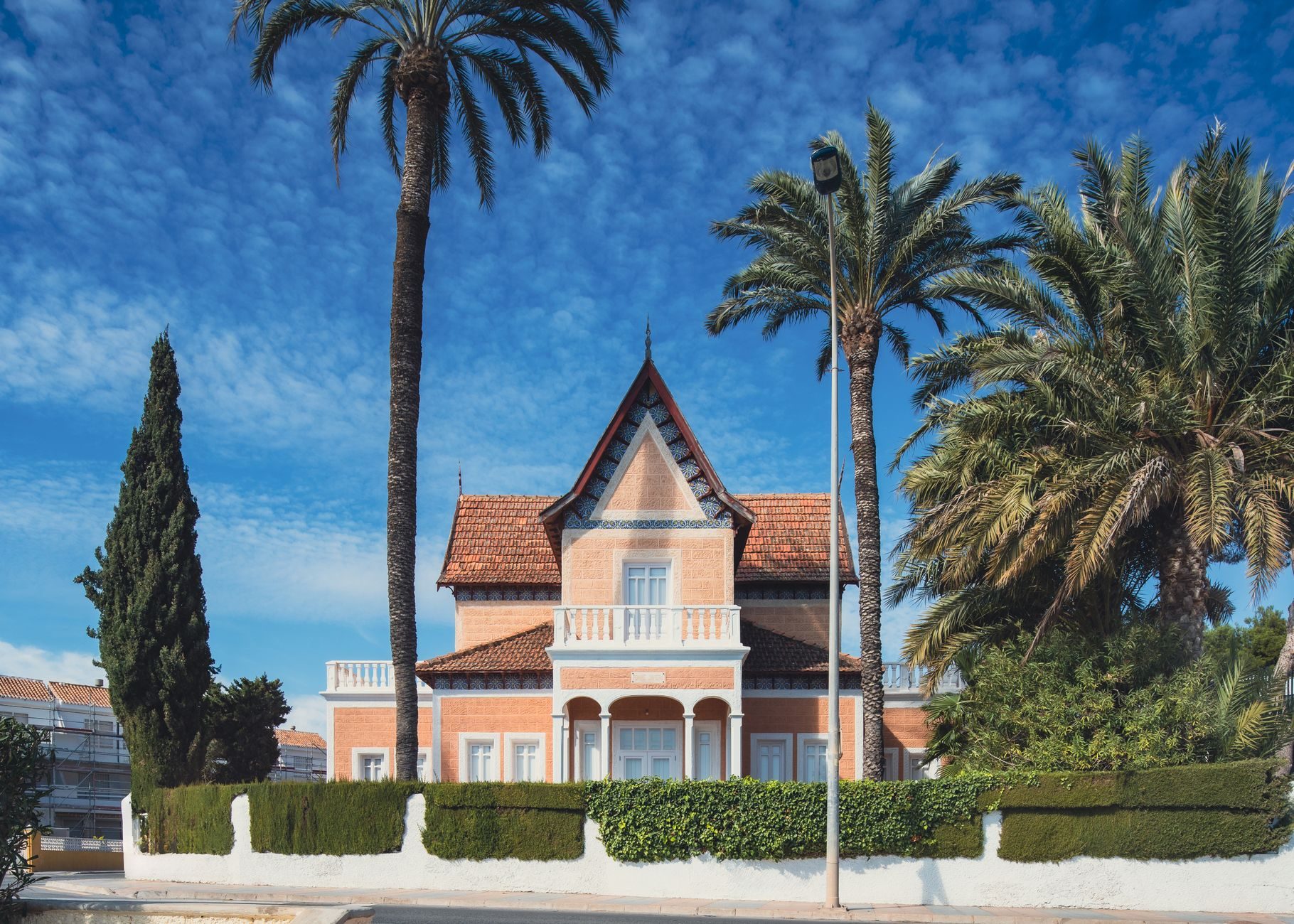
Located opposite Bajondillo Beach, the Casa de los Navajas is an architectural gem that will transport you to the East. This residential palace, built in the Neo-Mudéjar style with Mozarabic touches, was constructed in 1925 by the wealthy Luque Navajas family. Torremolinos Town Council has fully restored it, and entry is completely free.
You can admire its impressive décor, inspired by the Alhambra in Granada, its polychrome tiles and its coffered ceilings. Its gardens and terraces serve as panoramic viewpoints from which to discover the area from a different perspective.
If you’re looking for a green oasis where you can get away from the hustle and bustle of the city or enjoy a peaceful stroll at sunset, Parque de la Batería is a must-visit in the Montemar area. This vast park boasts over 74,000 square metres of greenery, a variety of tree species and immaculately maintained footpaths.
It takes its name from the fact that an old military coastal defence battery was once located on this site during the Spanish Civil War. Today, the original artillery guns and an underground bunker, which is open to visitors, have been preserved.
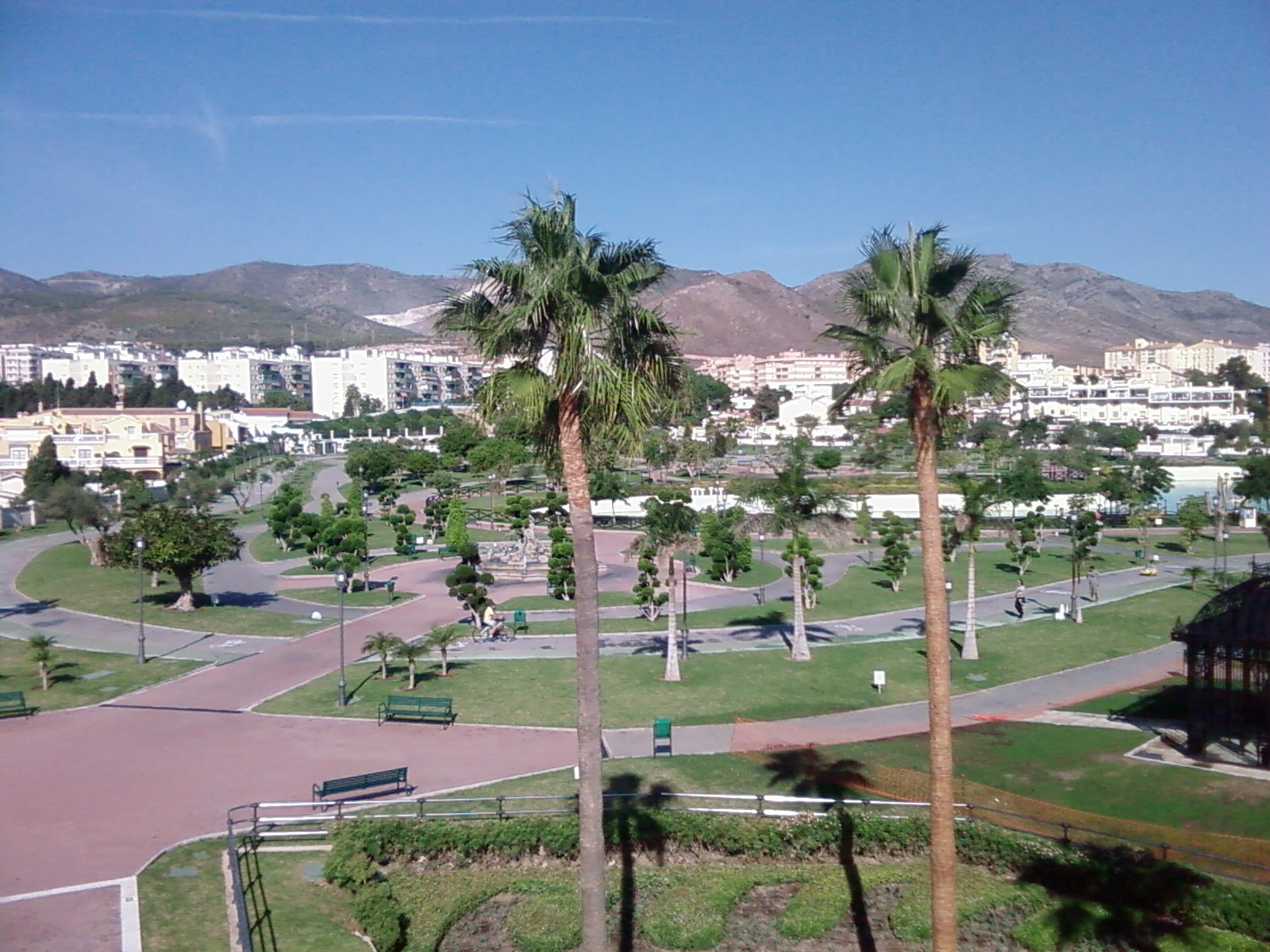
The park features a viewing tower nearly 15 metres high, which you can climb for free, as well as a huge artificial lake (where you can hire rowing boats for a small fee), children’s play areas and some of the largest and most beautiful merry-go-rounds in the province.
For lovers of active tourism, hiking and nature, Torremolinos boasts a spectacular mountainous landscape. From the higher parts of the town, there are various freely accessible, signposted hiking trails that climb up through the Sierra de Mijas. The most famous and rewarding route is the one leading to the Mirador del Lobo.
The trail winds its way through pine forests, thyme-covered slopes and fragrant rosemary bushes on a moderate climb. Upon reaching the summit, you’ll be greeted by a sculpture of a wolf howling into the wind and one of the most breathtaking panoramic views of the entire Costa del Sol; on clear days, you can even make out the silhouette of the Sierra Nevada, the Rock of Gibraltar and the coasts of North Africa. It’s an ideal activity to enjoy at any time of year; however, if you decide to tackle the route in the height of summer, avoid the middle of the day, take plenty of water and sun cream.
Hidden away in the very heart of Torremolinos is Pasaje Begoña, a pedestrianised alleyway that harbours one of Spain’s most significant stories of freedom and diversity. During the 1960s and early 1970s, at the height of Franco’s dictatorship, this spot became an international oasis of tolerance, freedom and absolute avant-garde spirit. It was here that the country’s first clandestine LGTBIQ+ bars opened, frequented by international celebrities.
Today, Pasaje Begoña has been designated a Site of Historical Memory and serves as a permanent urban tribute to the struggle for human rights and diversity. Strolling through this alleyway, taking in its murals, commemorative plaques and coloured lights, is an exercise in historical remembrance and a deeply inspiring experience.
If you want to take your holiday experience to the next level, Torremolinos and its immediate surroundings are home to some of the best themed attractions, shows and leisure parks in the whole of Andalusia. Investing in these activities guarantees fun, thrills and unforgettable memories.
MONEY-SAVING TIP: Demand for these attractions is extremely high, especially during the summer months, Holy Week and long weekends. We strongly recommend buying your tickets online in advance to avoid long queues in the sun at the ticket offices and to benefit from exclusive early-booking discounts.
If you’re looking for a haven of peace, the sound of water and a chance to completely unwind, you must visit the Molino de Inca Botanical Garden, situated behind the water park. This beautiful botanical space has restored an ancient 15th-century flour mill that was powered by the area’s natural springs.
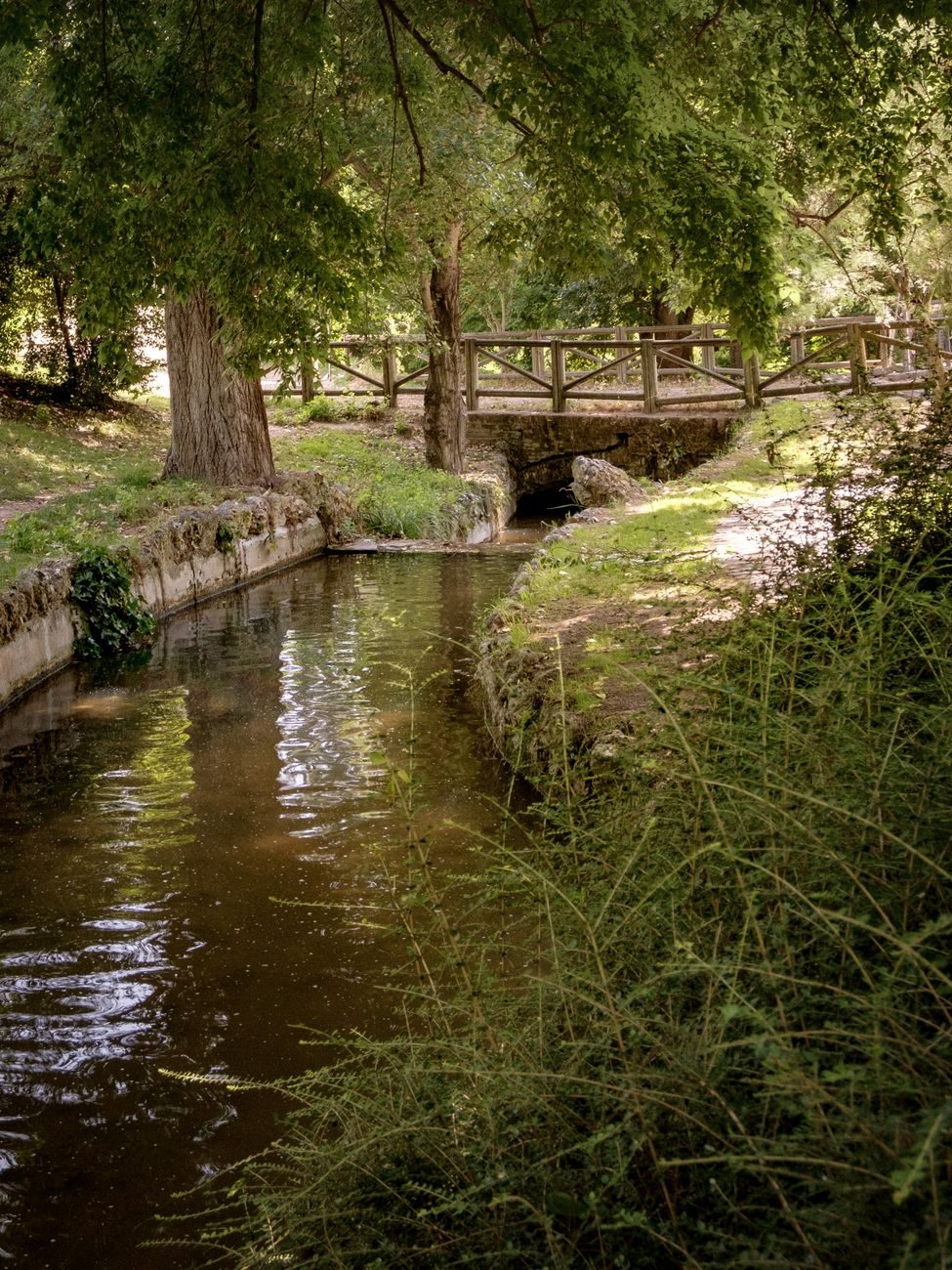
The garden boasts a spectacular collection of over 300 species of palm trees, centuries-old trees, ponds teeming with aquatic plants and colourful fish, and an area dedicated to spotting exotic birds and rehabilitated birds of prey. The admission fee is nominal (ranging from €1 to €3 depending on age), making it an affordable and truly beautiful day out.
If you’re travelling with family or friends and looking to beat the summer heat with a good dose of adrenaline, Aqualand Torremolinos is your top destination – the largest and longest-established water park on the entire Costa del Sol. Its facilities feature legendary high-speed attractions such as the Kamikaze (a slide with an almost vertical drop of over 20 metres), the Boomerang and the dizzying Multipista.
For those looking for something a bit more laid-back, Aqualand has a lazy river where you can drift along on giant floats, a huge artificial wave pool and children’s play areas.
<x-k i=
Next to Aqualand is Crocodile Park, a conservation and interpretation centre unique in Europe that allows you to delve into the fascinating world of these prehistoric reptiles. The park is home to over 300 crocodiles of various species from around the world, housed in artificial lakes tailored to their needs.
During the guided tour, you’ll meet Paco, Europe’s largest crocodile, an imposing specimen weighing over 500 kilos. The park organises live demonstrations led by professional keepers who explain the crocodiles’ hunting and feeding habits and allow the bravest members of the family to hold a baby crocodile under safe supervision. The standard admission fee is usually between €16 and €18.
Ideal for children: Enjoy a day of wild adventure by booking your tickets in advance.
<x-k i=
You can’t leave Andalusia without experiencing the power, the ‘duende’ and the passion of an authentic flamenco show. In the heart of Torremolinos lies the historic Tablao Pepe López, which has been open to the public since 1965 and stands as a flagship of Andalusian culture on the coast.
Some of the most acclaimed artists in classical flamenco singing and dancing have graced its stage. The show features Spanish guitars, singers and dancers in traditional costumes that will give you goosebumps. The average price is around €30, and some offers include a complimentary drink during the performance. It’s an unmissable cultural activity for any traveller’s evening itinerary.
<x-k i=
For the more adventurous souls who aren’t content with just sunbathing in a deckchair, the beaches of Playamar and Los Álamos offer a wide range of water sports run by official water sports companies with certified instructors.
Jet Skis: Feel the speed as you cut through the waves of the Mediterranean on marked closed circuits or on guided excursions led by instructors. (Approx. price: €50–€80 per trip).
Parasailing: Take to the skies in a parachute towed by a speedboat and enjoy a bird’s-eye view of Torremolinos, Benalmádena and the mountains from a height of over 50 metres. (Approx. price: €45–€50 per person).

Banana Boat and Slyder: Laughter and splashes guaranteed on these fun, giant inflatable towable rides for groups. (Approx. price: €15–€20 per person).
Plan your sea adventure: Book your water sports activities securely online and secure your time slot.
Although Puerto Marina is geographically part of the neighbouring municipality of Benalmádena, it is so close that you can easily walk there from La Carihuela Beach in just a few minutes. Modern catamarans and pleasure boats set sail daily from the quays of this award-winning marina, offering sea excursions along the entire coastline.
The star attraction is the catamaran trip to spot dolphins in the wild. The waters off the Costa del Sol are a natural corridor for various species of cetaceans (such as the bottlenose dolphin and the common dolphin). The boats are equipped with eco-friendly navigation systems and a bar, and usually include a stop out at sea so that passengers can go for a swim, weather permitting. Standard fares range from €16 to €22 per adult.
A magical experience: watching dolphins leap alongside the bow of the boat is truly unforgettable.
<x-k i=
Located right on the Bajondillo Beach promenade, the Mini Golf Park is a classic spot for family and youth entertainment in Torremolinos. It features a well-maintained 18-hole mini-golf course featuring sculptures, bridges, obstacles and fun decorative elements.
Next to the mini-golf course, there is a large leisure area with arcade machines, table football, pool tables and children’s attractions. A round costs around €7, making it a fantastic way to spend an afternoon after a long day at the beach.
To provide a quick and effortless link between the lower part of Bajondillo Beach and the town centre (Plaza de la Nogalera and Calle San Miguel), Torremolinos has a modern municipal panoramic lift. It saves you from having to walk up the steep steps of the slope. The journey takes just a few seconds, costs €1 per person per trip and offers lovely views of the traditional rooftops and the sea as you ascend.
<x-k i=
Torremolinos boasts a non-stop cultural, artistic and festive programme throughout the year. The town hosts large-scale events thanks to its excellent climate and its open, cosmopolitan and festive atmosphere.
Torremolinos kicks off the year by becoming the world capital of vintage culture and American music from the 1940s and 1950s. The Rockin’ Race Jamboree is an international festival that brings together thousands of fans of Rockabilly, the Blues, Rock & Roll and Swing.
For four days, the main hotels, the Municipal Auditorium and the town’s central squares are filled with live concerts by legendary and international bands. The festival is complemented by markets selling vintage clothing and out-of-print vinyl records, as well as an exhibition of classic American cars and hot rods, which transform the streets of Torremolinos into a scene straight out of a 1950s film.
Winter in Torremolinos is filled with colour, folk songs, wit and fancy dress thanks to the Carnival celebrations. The streets are flooded with parades of local carnival troupes and comedy groups. However, the most eagerly awaited event – and the one that gives this carnival its unique identity – is its spectacular Gala.

held at the Municipal Auditorium, is a massive display of art, impossible platforms, avant-garde make-up, humour and spectacular choreography, where the best drag artists on the national and international scene compete for the town’s crown. It is a massive event that celebrates diversity and creativity in style.
Torremolinos is recognised worldwide as one of Europe’s leading LGBTIQ+ tourist destinations. Torremolinos Pride (LGBTIQ+ Pride) is the quintessential celebration of diversity in southern Spain, attracting over 60,000 visitors every year.
Unlike other major cities where activities are ticketed, Torremolinos Pride stands out because its main concerts, musical galas and cultural events are held outdoors and are 100 per cent free of charge in the central Plaza de la Nogalera and Plaza de España. The week culminates with a parade of floats that winds its way through the town’s main avenues.
The official arrival of summer is celebrated in Torremolinos in a magical and unforgettable way right on the beach. St John’s Night brings together thousands of families, locals and tourists along the town’s 7-kilometre stretch of sand. At the stroke of midnight on 23 June, monumental bonfires are lit on the sand.
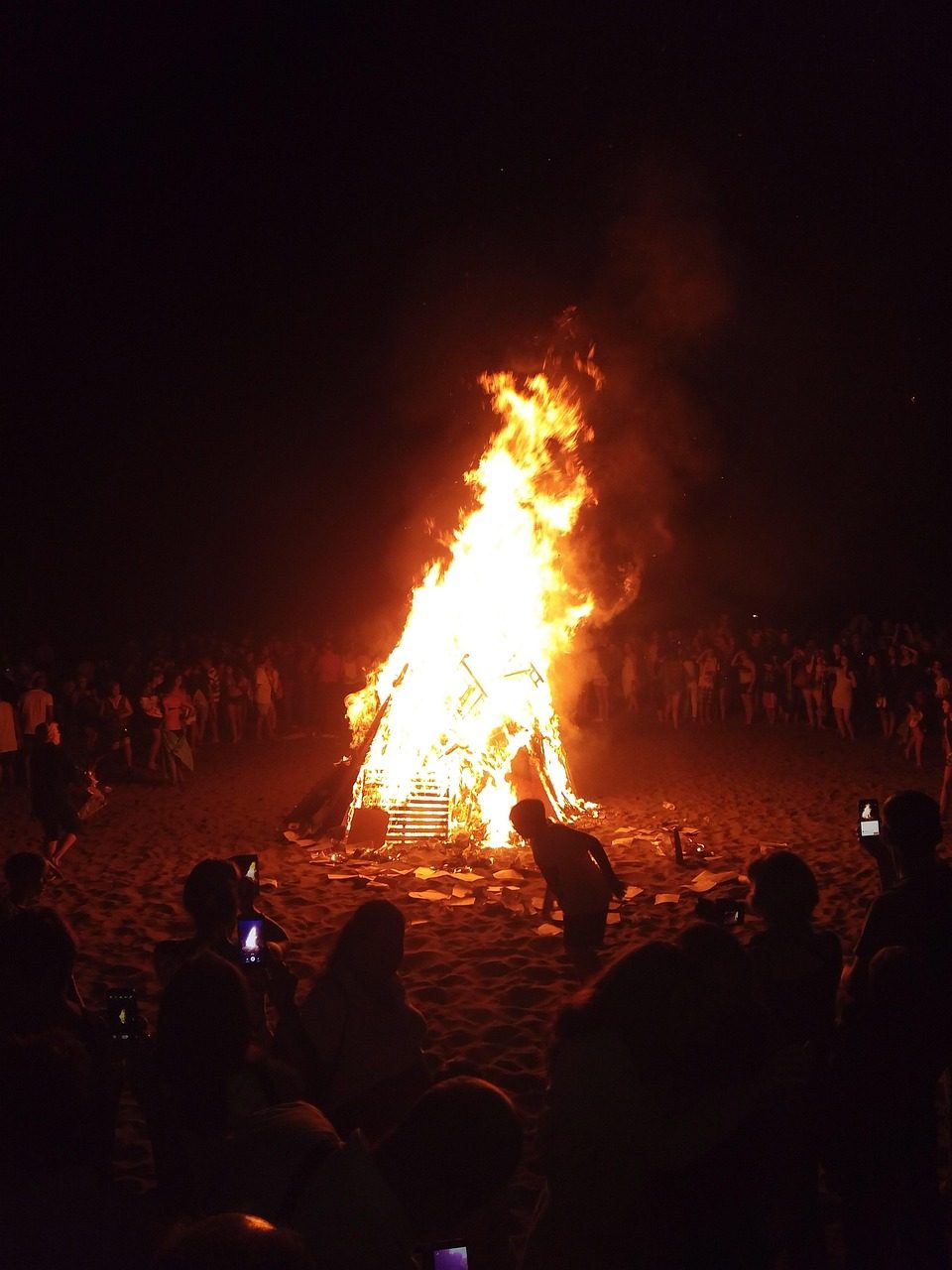
It is traditional to take part in the night’s magical rituals: washing your face or taking a dip in the sea at midnight to bring good luck, writing wishes on a piece of paper to burn them in the embers, and enjoying the traditional ‘moragas’ (beach barbecues featuring fish and meat) by the warmth of the fire beneath the starry sky of the Costa del Sol.

It is the town’s quintessential maritime festival and is celebrated with great emotion in the neighbourhood of La Carihuela. For several days, the streets of this old fishing village are adorned with lanterns, neighbourhood stalls are set up in the streets, and people dance to the rhythm of sevillanas and folk music.
The main day is 16 July. In the afternoon, the statue of the Virgin of Carmen is carried in procession through the narrow streets, flanked by thousands of devotees dressed in the traditional ‘marengo’ costume (dark trousers, a white shirt and a red sash). The highlight comes when the Virgin is carried into the sea by the sailors to be placed aboard a traditional jábega. The statue travels along the coast in a maritime procession, escorted by dozens of pleasure boats, motorboats and jet skis, with the evening culminating in a fireworks display.
Usually held at the end of August at the Torremolinos Exhibition Centre, this festival stands out internationally for one unique feature: the bond between the audience and the bands through fancy dress.
Although the first few days feature top-class national and international bands playing styles ranging from punk, rock and pop to electronic music, Saturday is the ‘Big Costume Day’. The entire audience, as well as the festival staff and the musicians taking to the stage, turn up fully costumed in hilarious, satirical, group-based outfits brimming with ingenuity. It is described by the specialist press as “the most fun festival in the country”, a genuine celebration of music and collective madness unlike any other festival in the world.
<x-k i=
The San Miguel Fair is Torremolinos’ most important festival. It is held at the end of September in honour of the town’s patron saint. The festivities are clearly divided into two parts: the “Day Fair”, which fills the squares of the historic centre with live music, food stalls, rebujito and flamenco dresses; and the ‘Night-time Fair’, which moves the fun to the fairground with fairground rides, concerts and traditional marquees where you can dance until dawn.
Festival of National Tourist Interest: This is the most important urban pilgrimage in the whole of Spain. It takes place on the Sunday before the fair begins and consists of a massive, joyful parade featuring dozens of decorated traditional carts, pulled by oxen or horses. Thousands of pilgrims dressed in traditional ‘traje de corto’ and gypsy dresses make their way along the route, singing, dancing and sharing food, ham and local wine until they reach the Hermitage of San Miguel, situated in the natural setting of the Torremolinos Pines, where the festivities continue throughout the day in the shade of the centuries-old pine trees.
To help you quickly choose the beach that best suits your tastes and needs, here is a summary table showing the main features of each beach in the municipality:
Recommended | Recommended | Facilities |
|---|---|---|
La Carihuela | Family-friendly | Sun loungers, parasols and accessibility |
El Bajondillo | Family-friendly, groups, | Showers, play areas, accessible facilities |
El Saltillo | Relaxation | essential basic facilities and sun loungers. |
Playamar | Groups, couples | Water sports, modern restaurants |
Los Álamos | Young people, partying | Car parks, beach clubs, cocktail bars |
Torremolinos enjoys a strategic geographical location within the province of Málaga:
It is by far the fastest, most eco-friendly and cheapest way to get around the coastal area. Line C-1 connects the centre of Málaga directly with Fuengirola, making key stops along the way at Málaga Airport (AGP) and the main high-speed train station (Málaga-María Zambrano).
Within the municipality of Torremolinos itself, the commuter train has several stations in addition to the central Torremolinos station:
Los Álamos: Direct access to the beach and nightclub area.
La Colina: Ideal for residential areas and golf courses.
Montemar-Alto: Direct access to Parque de la Batería.
El Pinillo: An upmarket residential and commercial area.
<x-k i=
Trains run approximately every 20 minutes every day of the week, allowing you to reach the centre of Málaga or the airport in under 15 minutes without worrying about traffic jams or parking spaces.
The town has a comprehensive bus network providing affordable connections between the various local neighbourhoods and neighbouring towns that do not have a direct coastal rail link (such as Marbella, Mijas Pueblo or Estepona).
The M-110 route runs frequently between Málaga city centre and Benalmádena Costa, travelling the entire length of the seafront promenade and the main avenues of Torremolinos, making it a fantastic and very cheap option for travelling alongside the sea.
Eating in Torremolinos means indulging in the pleasures of the Mediterranean diet at its very best, with a focus on seafood. The local cuisine revolves around fresh seafood caught daily in the Bay of Málaga.
It is the undisputed gastronomic symbol of the Costa del Sol.
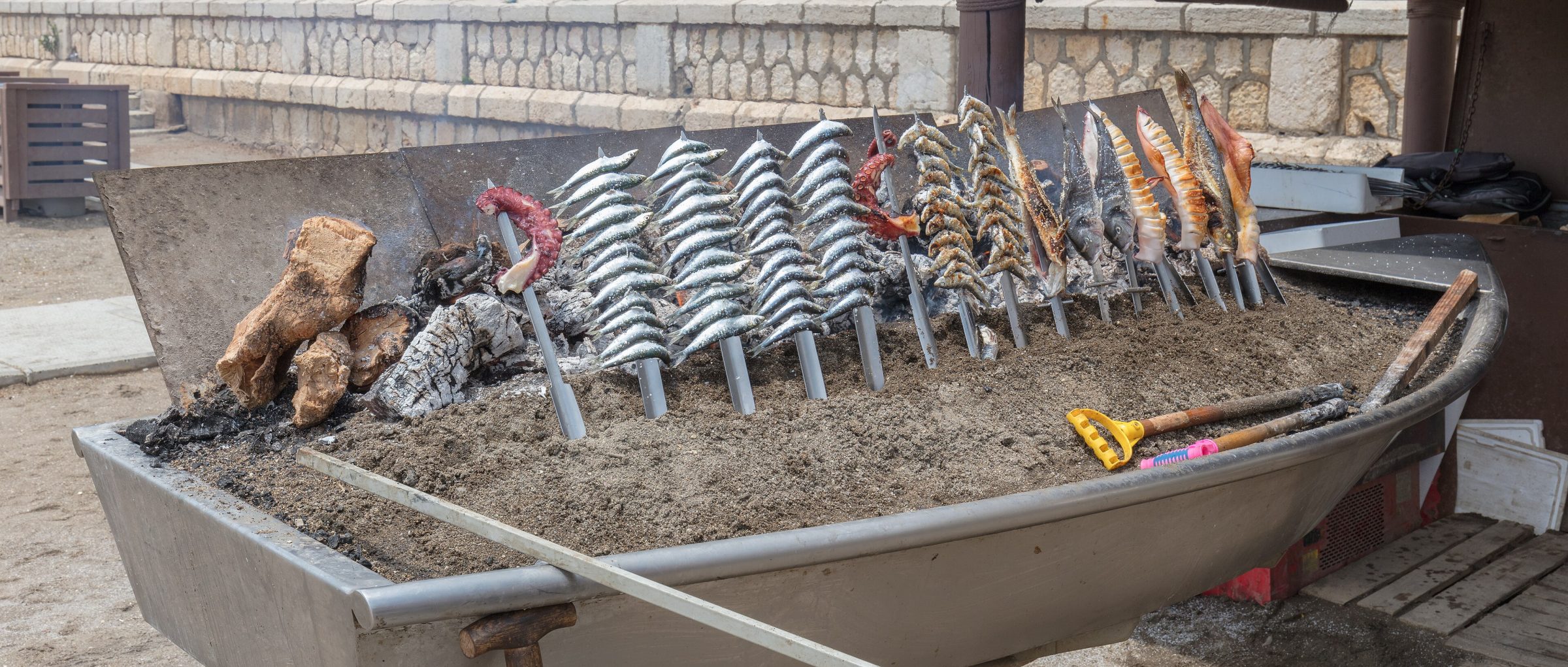
The dish consists of threading six to eight fresh sardines onto a sharpened wooden skewer, seasoning them with coarse salt and patiently grilling them over the heat of wood embers in a boat filled with fine sand, situated right on the beach. Master ‘espeteros’ have mastered the art of fire and wind to ensure the sardine’s skin is crispy and its flesh juicy, tender and with a unique smoky aroma. According to popular tradition, the best time to eat sardine skewers is during the months of the year that do not contain the letter ‘r’ (May, June, July and August), as this is when the sardines are at their fattest and most flavourful.
Frying in the Málaga style is a culinary art requiring precision and three key factors: the freshest fish, pure olive oil, a high heat and a light coating of special fine wheat flour. At the beach bars in La Carihuela and El Bajondillo, you can order portions or ‘half-portions’ (ideal for sharing and trying a bit of everything) of:
Anchovies: The kings of fried fish, served whole or split ‘al limón’
Squid and baby squid: Fried to perfection so they’re tender and crispy.
Marinated dogfish: Cubes of white fish marinated beforehand in an aromatic mixture of vinegar, oregano, cumin and garlic, then deep-fried. A delicacy with an intense flavour.
Malagueña: A varied assortment of fried seafood combining the best of the day’s catch in a single giant dish.
All washed down with a good, ice-cold local white wine, a craft beer or a refreshing Andalusian ‘tinto de verano’. Torremolinos awaits you with open arms, with its endless beaches, lively nights and a vast array of experiences to discover. Have a great trip!
GuidesWhat to see in Torremolinos with our official tourist guide: the best beaches, completely free activities, nightlife and events on the Costa del Sol.
Read guide →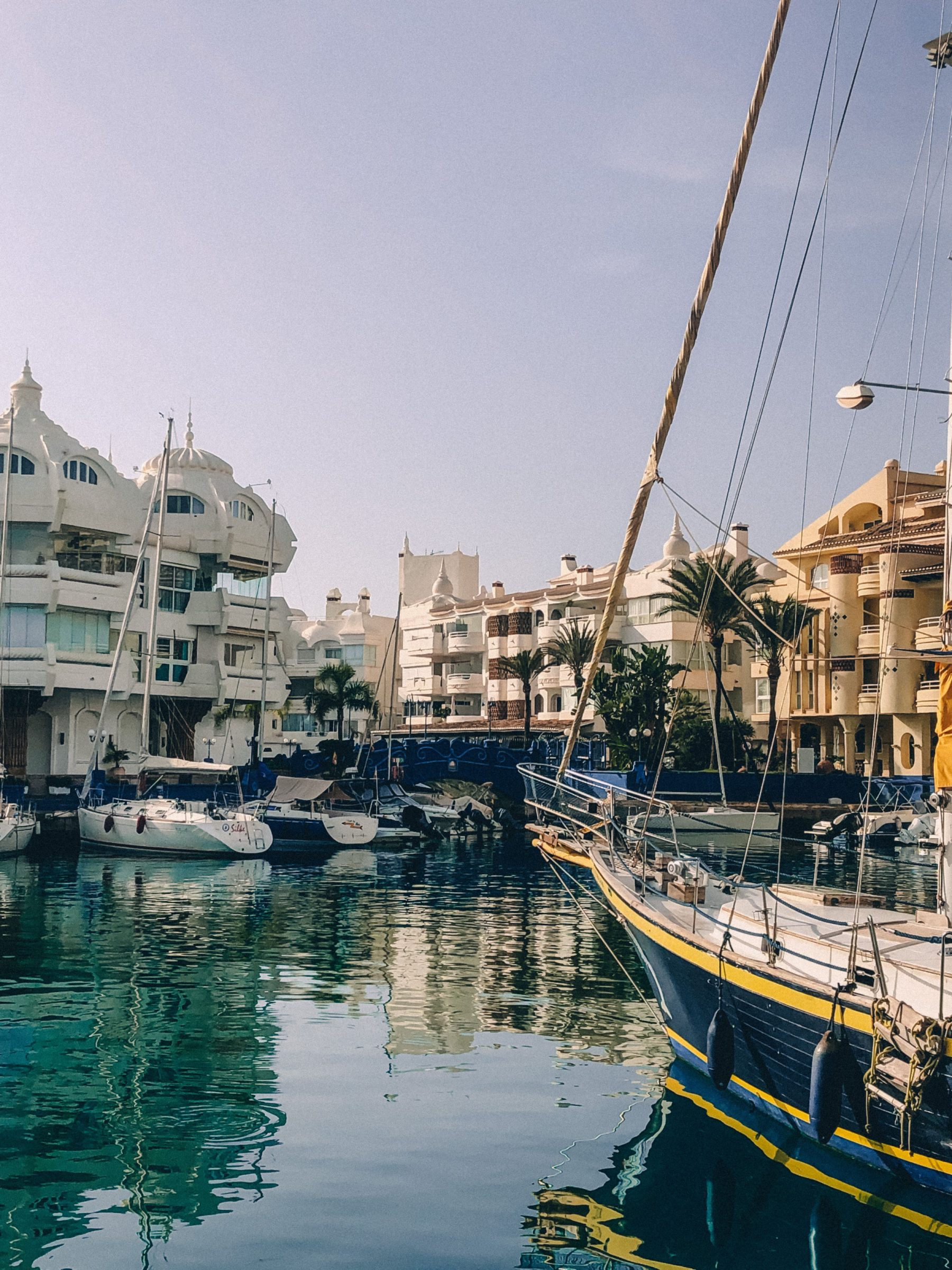 Guides
A comprehensive 7-day guide featuring the best itineraries, activities and places of interest to visit in Benalmádena with the family.
Read guide →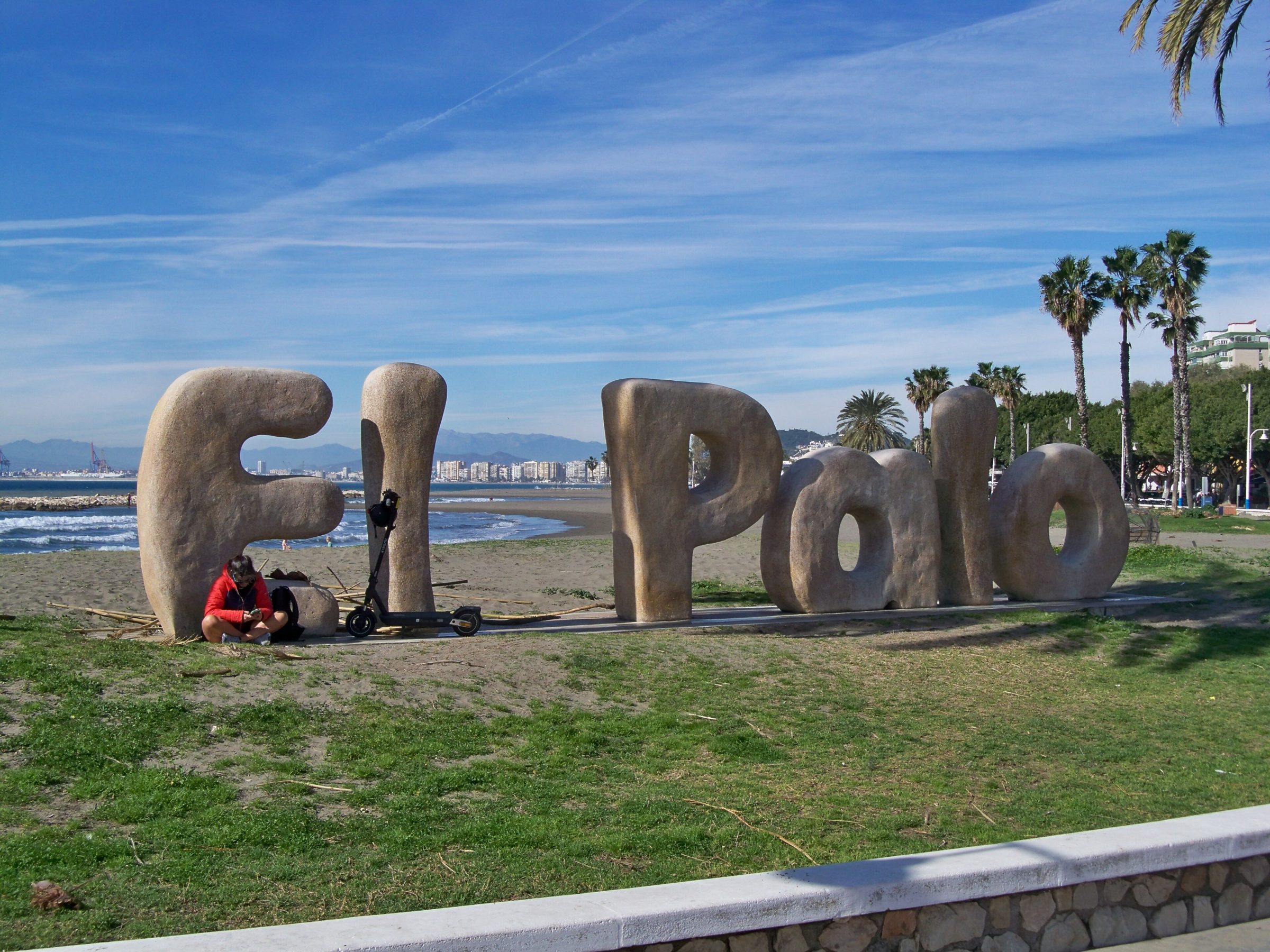 Guides
Discover Málaga in winter with this comprehensive 10-day guide, designed to help you make the most of the province while avoiding the crowds. It features detailed itineraries for the historic center, hiking trails through the Montes de Málaga, the best-kept secrets of Marbella, and top spots for traditional local cuisine—all while you enjoy the Costa del Sol’s excellent winter microclimate.
Read guide → Event · Málaga
Teatro del Soho CaixaBank
See tickets → Event · Málaga
Sohrlin Andalucía
From 11.90 €
See tickets (64 dates) →See tickets → Event · Málaga
Teatro Esad Málaga, C. Béla Bartók, 2, Teatinos-Universidad, 29010 Málaga
From 22.05 €
Buy on El Corte Inglés →See tickets →