 Guides
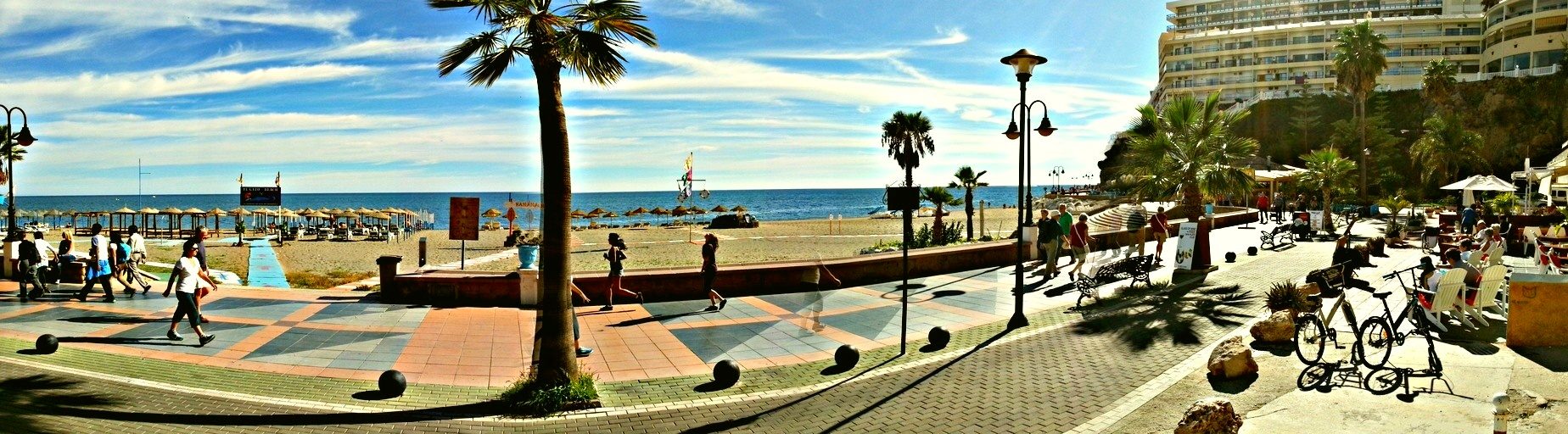
Things to see in Torremolinos: beaches, activities, events
What to see in Torremolinos with our official tourist guide: the best beaches, completely free activities, nightlife and events on the Costa del Sol.
Read guide →
Discover Málaga in winter with this comprehensive 10-day guide, designed to help you make the most of the province while avoiding the crowds. It features detailed itineraries for the historic center, hiking trails through the Montes de Málaga, the best-kept secrets of Marbella, and top spots for traditional local cuisine—all while you enjoy the Costa del Sol’s excellent winter microclimate.
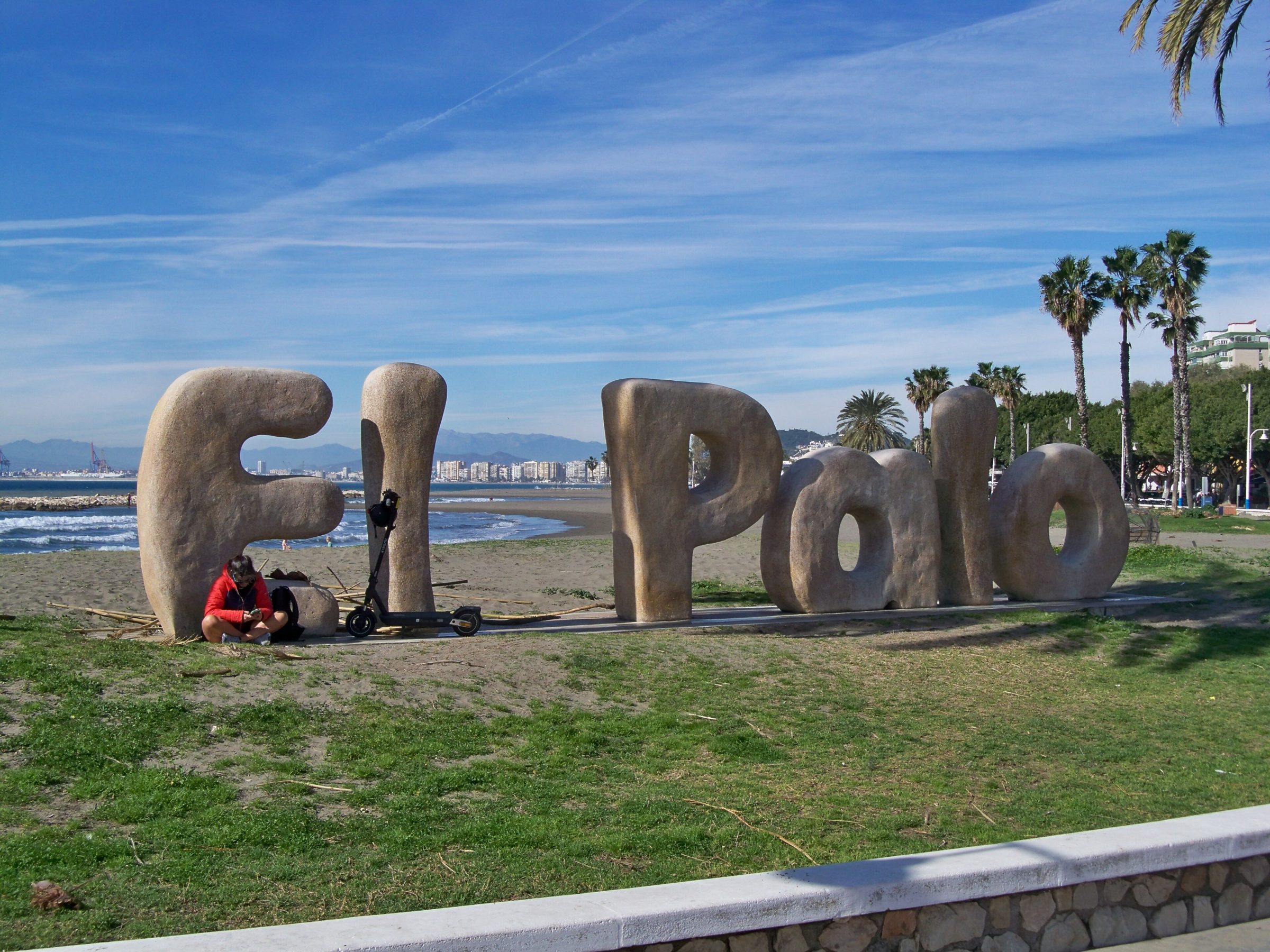
Málaga: cultural tourism and nature trails.
Who said the Costa del Sol is only for summer? With an average temperature of 17°C and clear skies offering over 300 days of sunshine a year, the winter and spring months are the best-kept secret of the most seasoned travellers. This is the perfect time to stroll at a leisurely pace, discover a culture dating back millennia and make the most of nature without the stifling heat of August.
We’ve designed this optimised 10-day itinerary so you can make the most of every day. We’ll combine the vibrant cultural life of Málaga city with unmissable trips to the white villages and the province’s most breathtaking natural landscapes.
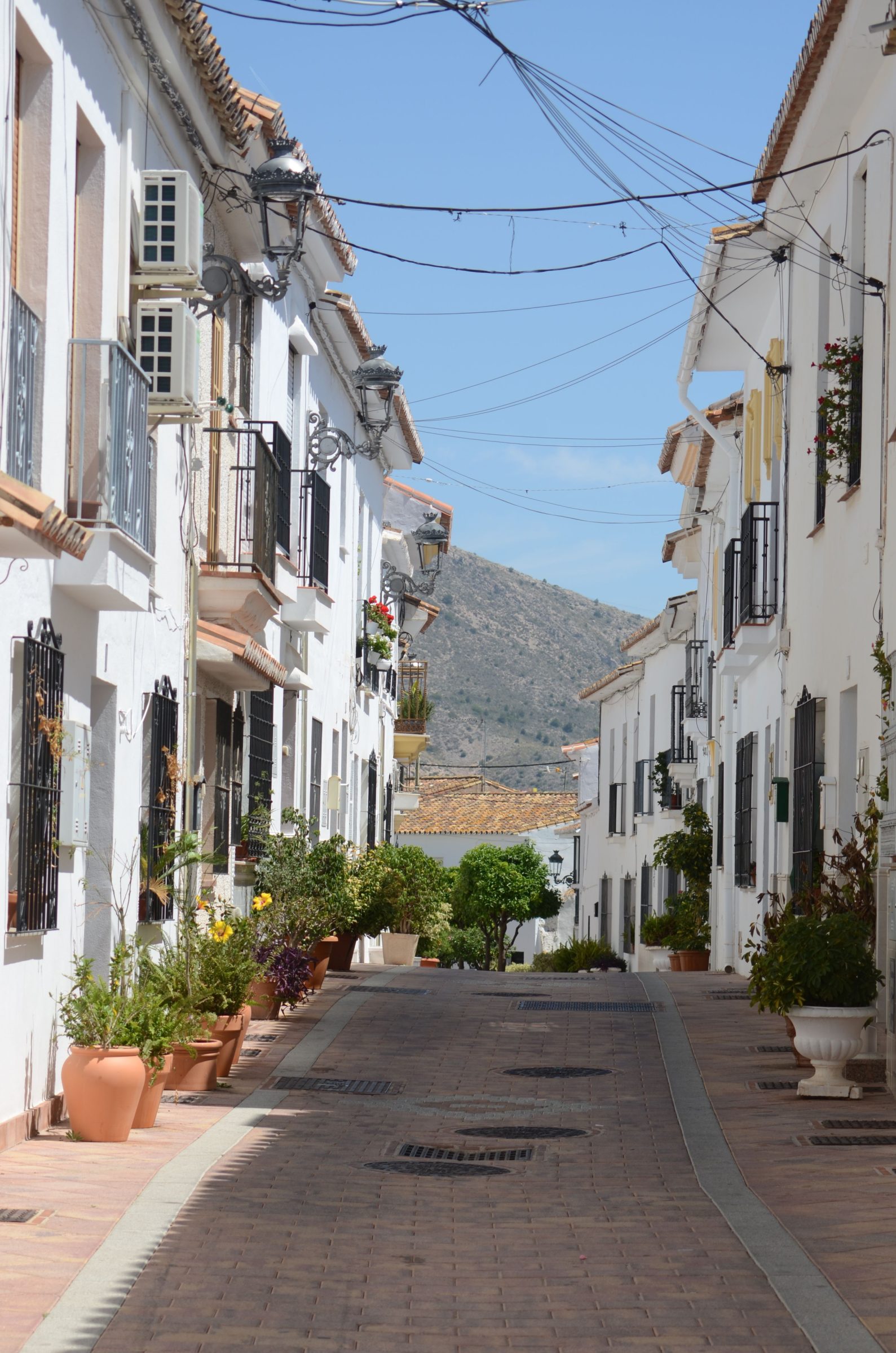
Winter in the capital of the Costa del Sol is a real treat. The air is crisp, the sun is warm but not scorching, and the historic centre regains its local rhythm.
Unlike in summer, in winter you’ll want to be right in the heart of the historic centre or near the Vialía station (María Zambrana) if you’re travelling around the province by train. The sea breeze on the coast can be chilly at night, so the city centre offers more shelter.
Authentic ‘tejerings’ at Cafetería La Trinidad or Casa Aranda
Your morning begins at 09:00. For a 100% local winter breakfast, head to Tejeringos Coffee or the classic Casa Aranda branch. Unlike churros from Madrid, Málaga’s tejeringos are handmade one by one by piping the batter into the frying pan in a wheel shape. Order a ‘rueda de tejeringos’ and a ‘sombra caliente’ (a coffee made with 70 per cent milk and 30 per cent coffee).
Once you’ve warmed up, walk towards Plaza de la Aduana to visit the Málaga Museum. This imposing Italian neoclassical-style palace houses two museums in one: the Archaeology section
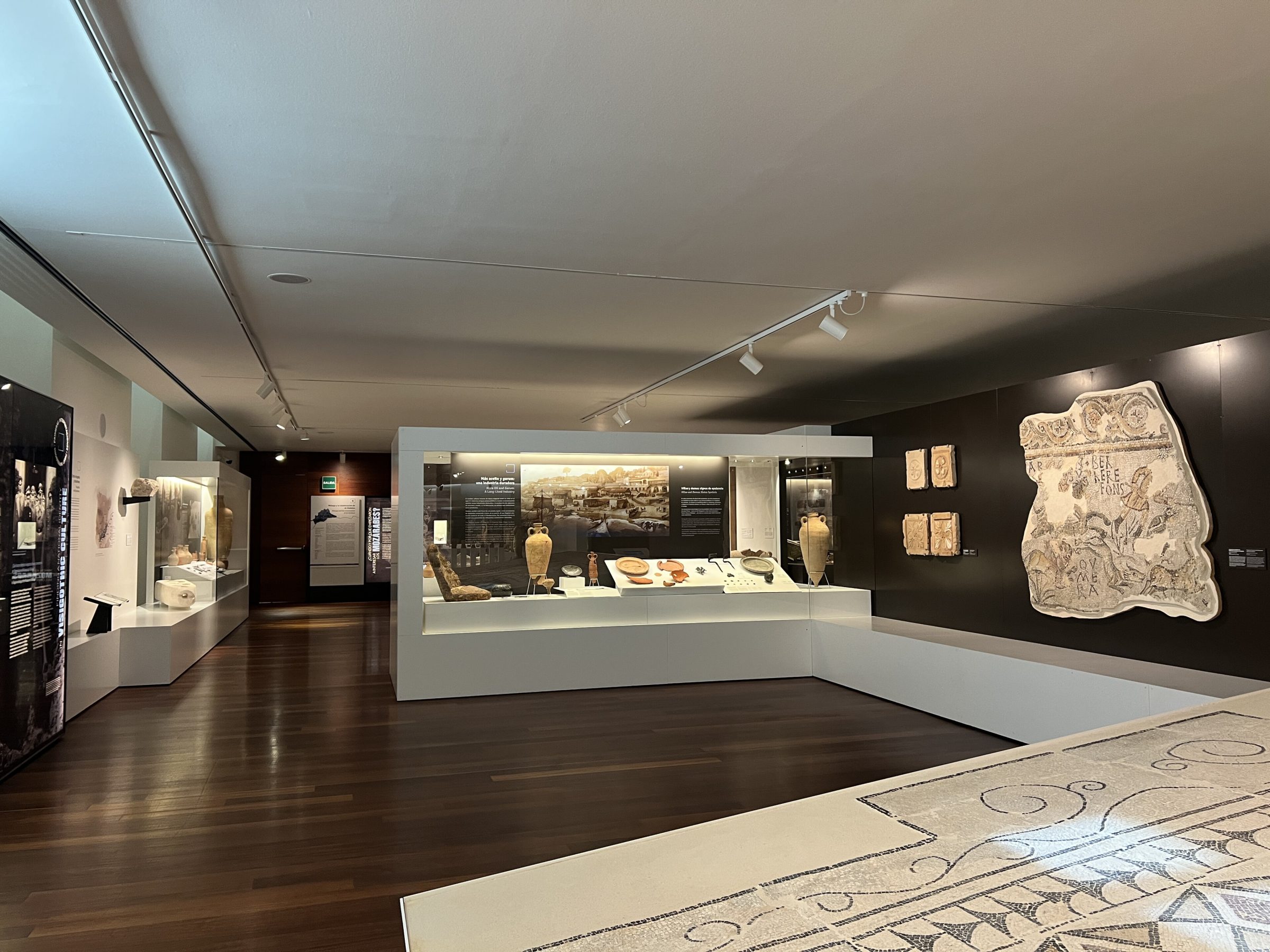
(featuring stunning Phoenician, Roman and Arab artefacts) and the Fine Arts section. Best of all, entry is completely free for European Union citizens. It’s an ideal, cultural and sheltered way to spend a winter’s morning.
In winter, we Malagueños swap cold fried fish for hot dishes. Head to Plaza de la Merced and pop into Taberna Cortijo de Pepe.
Order a plate of Callos a la malagueña (which contains chickpeas, unlike the Madrid version), some migas cortijeras or their famous lomo en manteca colorá. To drink, ask for a glass of red wine from the Serranía de Ronda.
Evening: A modern tapas tour of the bars in the city centre and fried fish at Los Mellizos
For dinner, head for the pedestrianised alleyways. I’d recommend going for some pescaito frito or a seafood rice dish with broth at Los Mellizos.
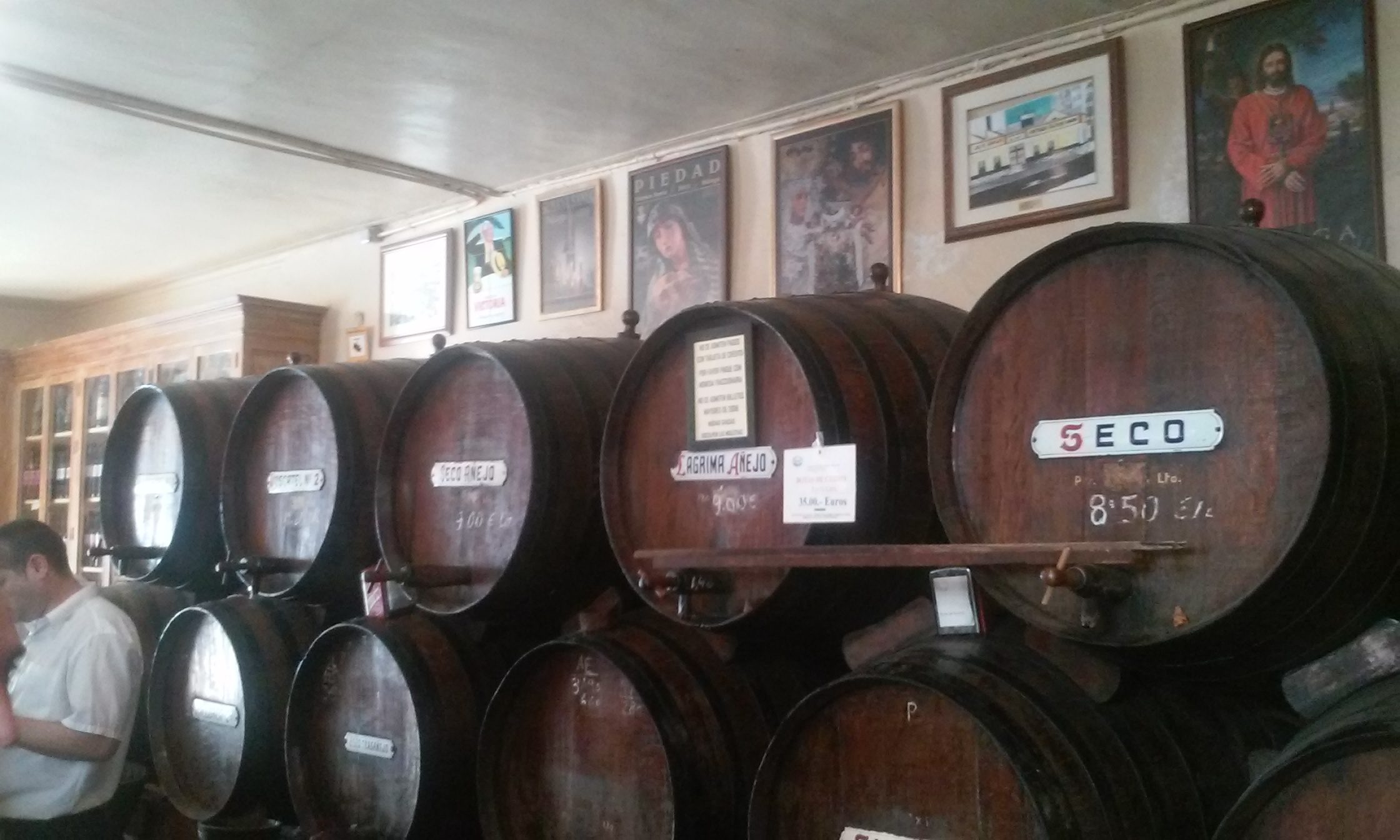
Round off the evening with a glass of Pajarete sweet wine at the Antigua Casa de Guardia to warm yourself up before going to bed.
Today we leave the coast to travel to the geographical heart of Andalusia: Antequera. This UNESCO World Heritage Site combines 5,000-year-old archaeology with a limestone landscape that is unique in the world.
Antequera is 45 minutes north of Málaga via the A-45 motorway. A car is the ideal way to travel, as reaching the El Torcal nature reserve involves a mountain road that is inaccessible to regular buses.
Car hire: to explore the interior of the province in winter without having to wait for buses in the cold, I recommend <x-k i= on the day of your arrival
The Antequera Dolmens Site
Arrive at 09:30 at the Antequera Dolmens visitor centre. You’ll be visiting the Menga and Viera dolmens (and El Romeral, just a few kilometres away). Menga is one of the most colossal megalithic structures in Europe, built from gigantic stones weighing thousands of tonnes. What is fascinating about Menga is that it is not oriented towards the sun (like most dolmens around the world), but towards the Peña de los Enamorados, a mountain whose silhouette perfectly resembles the face of a man lying down.
Drive into the centre of Antequera and head up to the upper part of the town. Visit the Royal Collegiate Church of Santa María la Mayor, the first Renaissance building in Andalusia, and the Moorish Alcazaba, from whose defensive towers you’ll see a sea of white rooftops and the more than 30 churches that have made this Baroque town famous.
Antequera boasts one of the finest cuisines in the south. Take a seat at Venta El Cojo or the Restaurante Plaza de Toros.
Authentic Porra Antequerana: Although we usually eat this in summer, in winter it’s served with a hearty plate of migas or a stew.
Mollete de Antequera with pork loin in lard: Andalusia’s most famous bread, soft and with a perfect crumb.
Bienmesabe: The traditional convent dessert invented by the cloistered nuns of Antequera, made with almonds, syrup, egg and cinnamon.
El Torcal de Antequera Nature Reserve
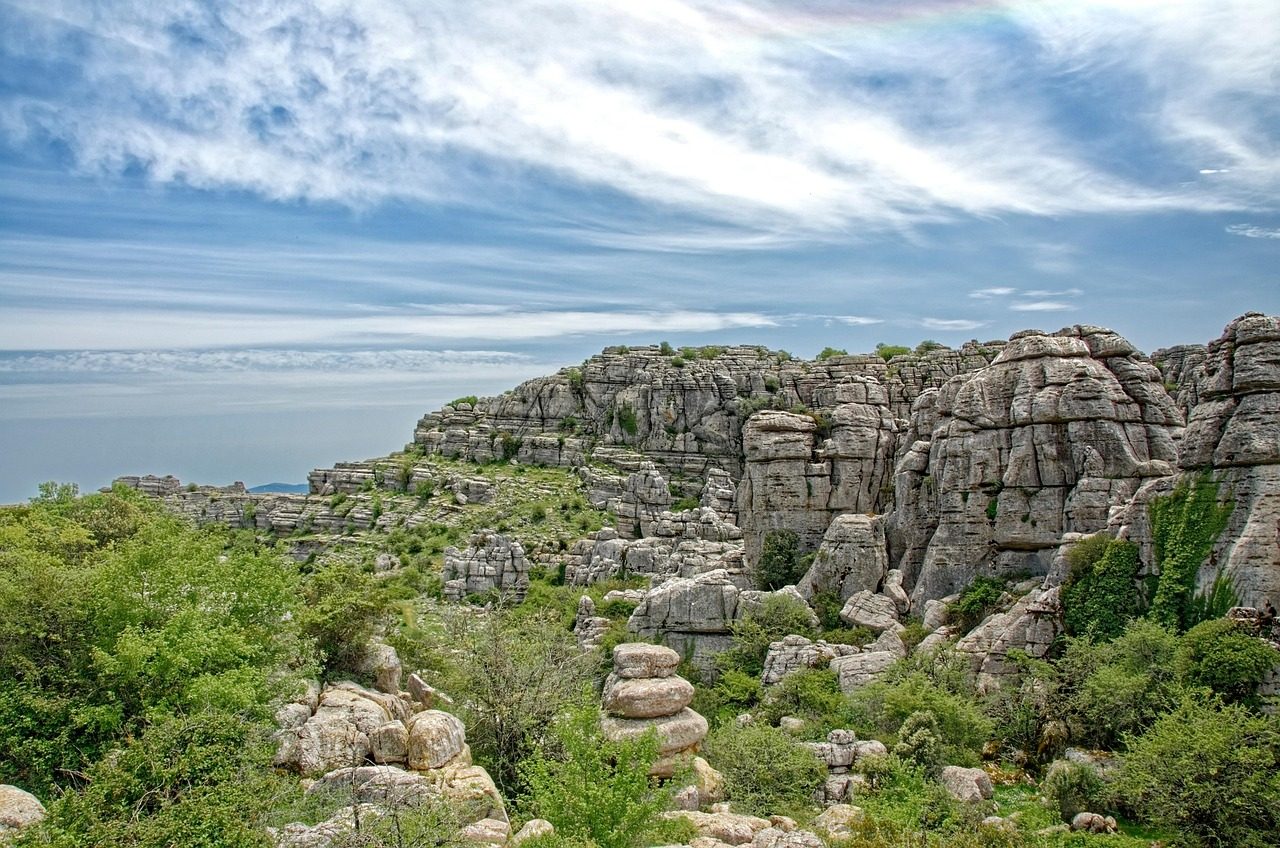
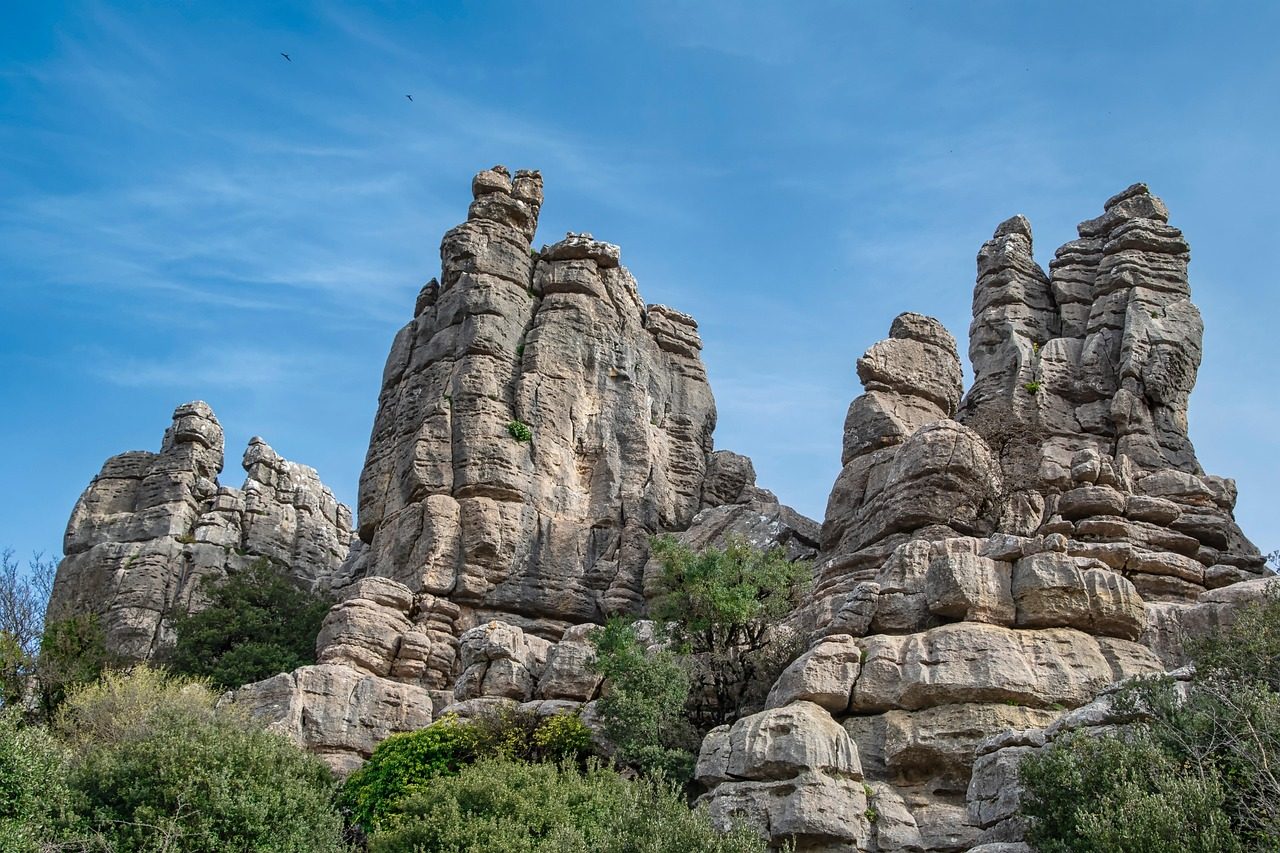
At 3.30 pm, drive up to the visitor centre at El Torcal de Antequera. This area lay beneath the Mediterranean Sea 200 million years ago. Erosion by wind, water and ice over millennia has shaped the limestone rocks, creating whimsical forms that resemble giant screws, castles and human figures.
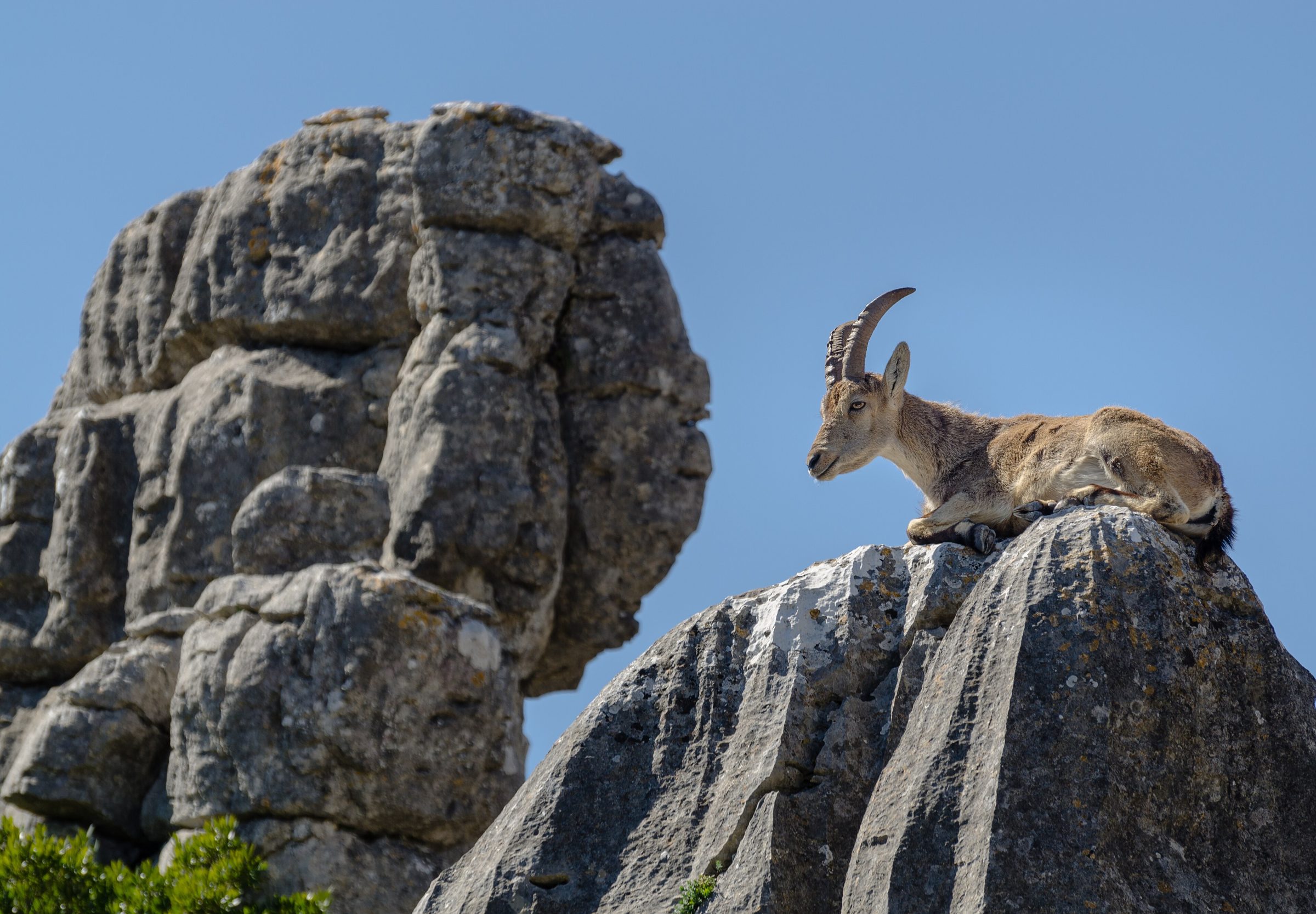
Follow the Green Route or the Yellow Route (both are clearly signposted and circular). In winter and spring, the visibility is stunning. Keep your eyes peeled: it’s very easy to spot groups of mountain goats leaping amongst the stone alleys and griffon vultures gliding overhead.
Warm-up tip: El Torcal is over 1,200 metres above sea level. Even if it’s 18°C on the beach in Málaga and you’re wearing short sleeves, the temperature at El Torcal in winter can easily plummet to 5°C. Always take a good windbreaker, a hat and hiking boots.
Organised tour: If you’d prefer an expert guide to explain how these rocks were formed and take you to see the hidden cave paintings, book this <x-k i=
Evening: Return to Málaga and dinner at a tavern
Head down from the mountains as the sun sets and return to Málaga city centre. As you’ll have done quite a bit of walking, treat yourself to dinner in the area around Calle Carretería at a traditional wine bar such as La Recova, and get some rest for Day 3.
Today we’ll take in the city’s skyline, making the most of the mild winter weather that allows us to go on an urban hike without breaking a sweat. We’ll round off the day by relaxing in some authentic Arab baths.
Booking tips and how to make the most of your time
You won’t need a car or public transport today; your best allies will be a good pair of walking trainers. We’ll spend the afternoon relaxing, so I suggest you book your Hammam pass at least a week in advance.
The Coracha Trail and the Viewpoint
Your route starts at 10.00 am behind Málaga Town Hall. We’ll walk up to Gibralfaro Castle along the Paseo de Don Juan de Temboury. In summer, this climb is a real ordeal in the sun, but in winter it’s a glorious walk amongst pine trees, agaves and viewpoints. Halfway up, you’ll pass the Coracha viewpoint, from where you’ll see the Mudejar-style rooftops of the Alcazaba on one side and the bullring with the sea on the other.
It crowns the summit; step inside this 14th-century fortress built by the Nasrid king Yusuf I to protect the Alcazaba. Walk the entire length of its walkable ramparts. From the keep, you’ll enjoy a 360-degree view of the entire bay of Málaga; on clear winter days, you can even see the silhouette of Morocco’s Rif Mountains perfectly across the Strait of Gibraltar.
Money-saving tip: Remember to buy the<x-k i= if you plan to visit both monuments. On Sundays from 2.00 pm, entry to both is free. Other options available include;<x-k i= or, if you’d prefer to go on a walking tour <x-k i=. For more information about the Alcazaba, you can read our article on how to visit it
Lunch: The “Campero Gourmet” at Tejeringo’s or tapas at El Chinitas
Head down the hill through the gardens on the southern slope, which link up with the Paseo del Parque. For lunch in the historic centre, steer clear of the burger chains and head to the Café El Chinitas restaurant (Pasaje Chinitas) for some classic Andalusian tapas. Try their puchero croquettes, meatballs in almond sauce or their spectacular Russian salad with tuna belly.
Afternoon: Total relaxation at the Hammam Al Ándalus
At 4.30 pm, after a good morning’s walk, head for the Plaza de los Mártires. There you’ll find Hammam Al Ándalus Málaga, a set of Arab baths featuring spectacular Mudejar architecture, adorned with geometric tiles, marble fountains and horseshoe arches.
Winter is the perfect time to seek refuge in the Hammam’s thermal waters. The silence, the candlelight and the scent of amber and jasmine will completely rejuvenate you. Book your Bathing Pass with an essential oil massage at Hammam Al Ándalus here to secure your hour of relaxation.
You’ll spend two hours moving between its three water rooms (cold, warm and hot), sweating in the steam room and enjoying unlimited mint tea in the central courtyard whilst you wait your turn for a hot stone massage. You’re guaranteed to leave feeling as though you’re floating on air.
Evening: Andalusian tavern dinner at Taberna Monroy
To round off the day, head to Calle Moreno Monroy and pop into Taberna Monroy. It’s a small, cosy and beautifully kept spot where they serve a selection of spectacular Andalusian cheeses (such as Payoyo goat’s cheese from the Cádiz/Málaga mountains) and oven-roasted Iberian meats that pair perfectly with the extensive wine list featuring reds with the D.O. Málaga Mountains.
Today we venture into the eastern Axarquía region, an area of winding roads flanked by terraced vineyards and olive groves where time seems to have stood still in the era of the Moriscos.
Transport arrangements for the Axarquía
For this route<x-k i= you’ll definitely need <x-k i= as Sayalonga and Cómpeta are villages in the high mountains of Málaga with poor public bus links. You’ll drive along the Mediterranean motorway (A-7) towards Vélez-Málaga and then head up the A-7206 mountain road. The journey takes about 55 minutes.
The hilltop village of Cómpeta
Arrive in Cómpeta at around 10.00 am; it’s known as the “Cornisa de la Costa del Sol” (the Costa del Sol’s Corniche) for its breathtaking views of the sea from the mountains. Park near Plaza Almijara and visit the Church of Nuestra Señora de la Expectación, with its striking neo-Mudéjar-style tower made of exposed brick. Take a stroll along the Paseo de las Tradiciones, where you’ll see ceramic murals depicting the history of the grape harvest and the treading of Muscat grapes.
The Temple of Wine in Cómpeta
Cómpeta is world-famous for its sweet and dry wines.
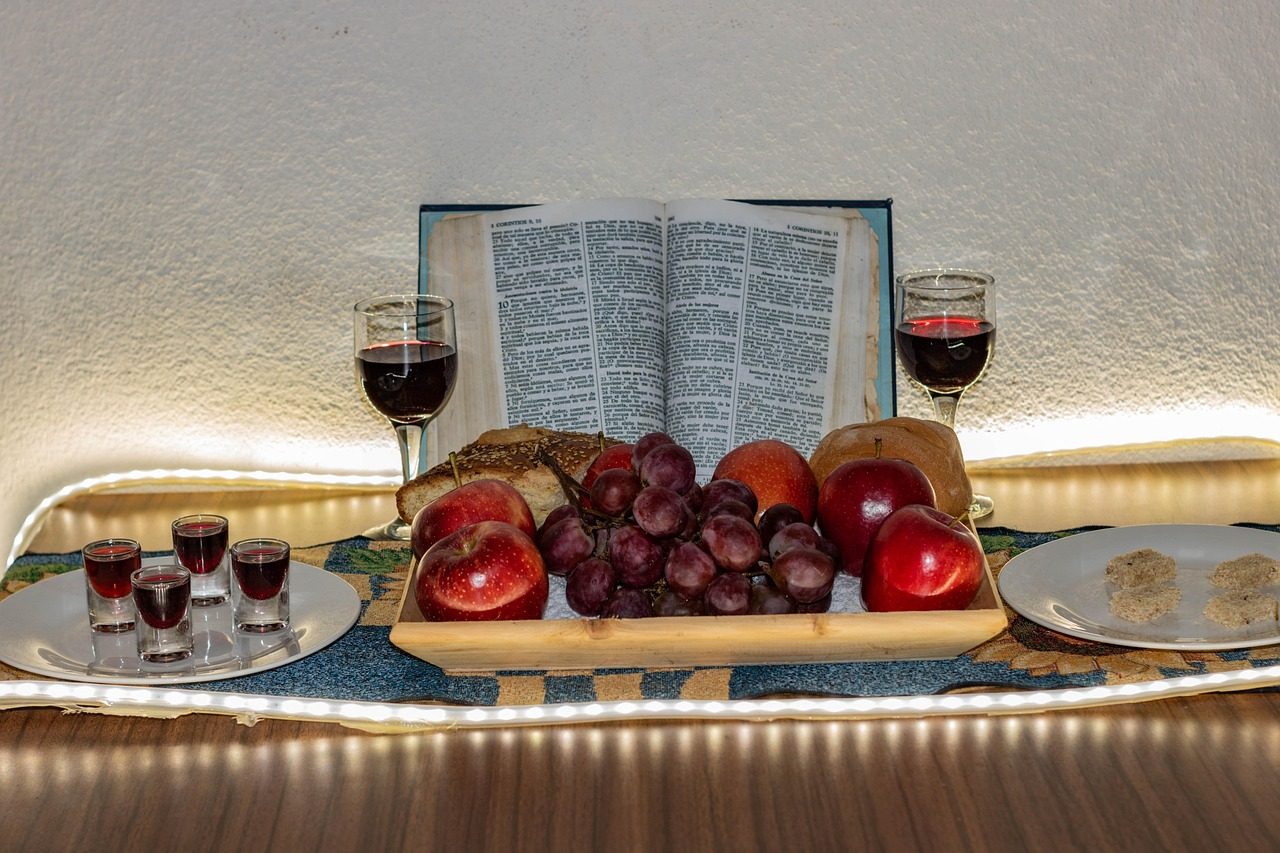
Visit the Bodegas Almijara or pop into the local shops in the historic centre. You simply must try the famous Jaddis Cómpeta wine or the traditional sweet wine made from sun-dried raisins from the Axarquía. Its aromatic intensity is incredible.
Lunch: Suckling goat at El Pilón Restaurant (Cómpeta)
For lunch, head to El Pilón Restaurant, housed in an old stone building with a terrace offering panoramic views of the valley.
Order the region’s star winter dish: wood-fired Málaga suckling goat with a side of ‘patatas a lo pobre’. The meat from the native Málaga goat is tender, succulent and has a delicate flavour that will make you understand why the inland cuisine here is so highly regarded.
Afternoon: The mystery of Sayalonga’s Redondo Cemetery
At 3.30 pm, get in the car and drive down the mountain road for a few minutes until you reach the neighbouring village of Sayalonga.
Park up and follow the signs to the Round Cemetery of Sayalonga. It is the only cemetery in Spain with a completely circular layout and one of the few in Europe. It was built in the 19th century (in 1840) by the local architect Pedro de la Chimenea. What makes the place so mysterious is that its geometric shape, together with the symbols carved into its entrance arch and niches, has led many historians to suspect that it has a purely Masonic origin and symbolism. Strolling through its white, symmetrical interior in the afternoon sun will give you an incredible sense of mysticism.
Evening: Return to Málaga and enjoy some winter seafood tapas in El Palo
Head back to Málaga city along the coast. For dinner, drive or take the city bus to the El Palo neighbourhood.
Although it’s winter, the terraces of beach bars such as Chiringuito Gabi or El Tintero are enclosed with transparent tarpaulins that shield you from the sea breeze whilst allowing you to dine whilst watching the waves. Order a portion of piping-hot fried anchovies or a local seafood soup to warm you up.
Today we’ll discover the side of Málaga that looks to the future of innovation and contemporary art, before finishing with lunch at the summit of our mountains, where we’ll enjoy the heartiest winter dish in southern Spain.
Logistics and transport for the day
In the morning, we’ll travel comfortably on Line 2 of the Málaga Metro (get off at Princesa-Huelin station). For lunch in the Montes de Málaga, you’ll need your hire car or to take a taxi, as the famous mountain ‘ventas’ aren’t served by regular public transport routes.
Morning: Industrial innovation and vintage cars
La Térmica Cultural Centre or the Automobile Museum
Your morning begins at 09:30 with a visit to the former 1920s tobacco factory, now converted into the city’s multicultural centre. Head to the Málaga Automobile and Fashion Museum.
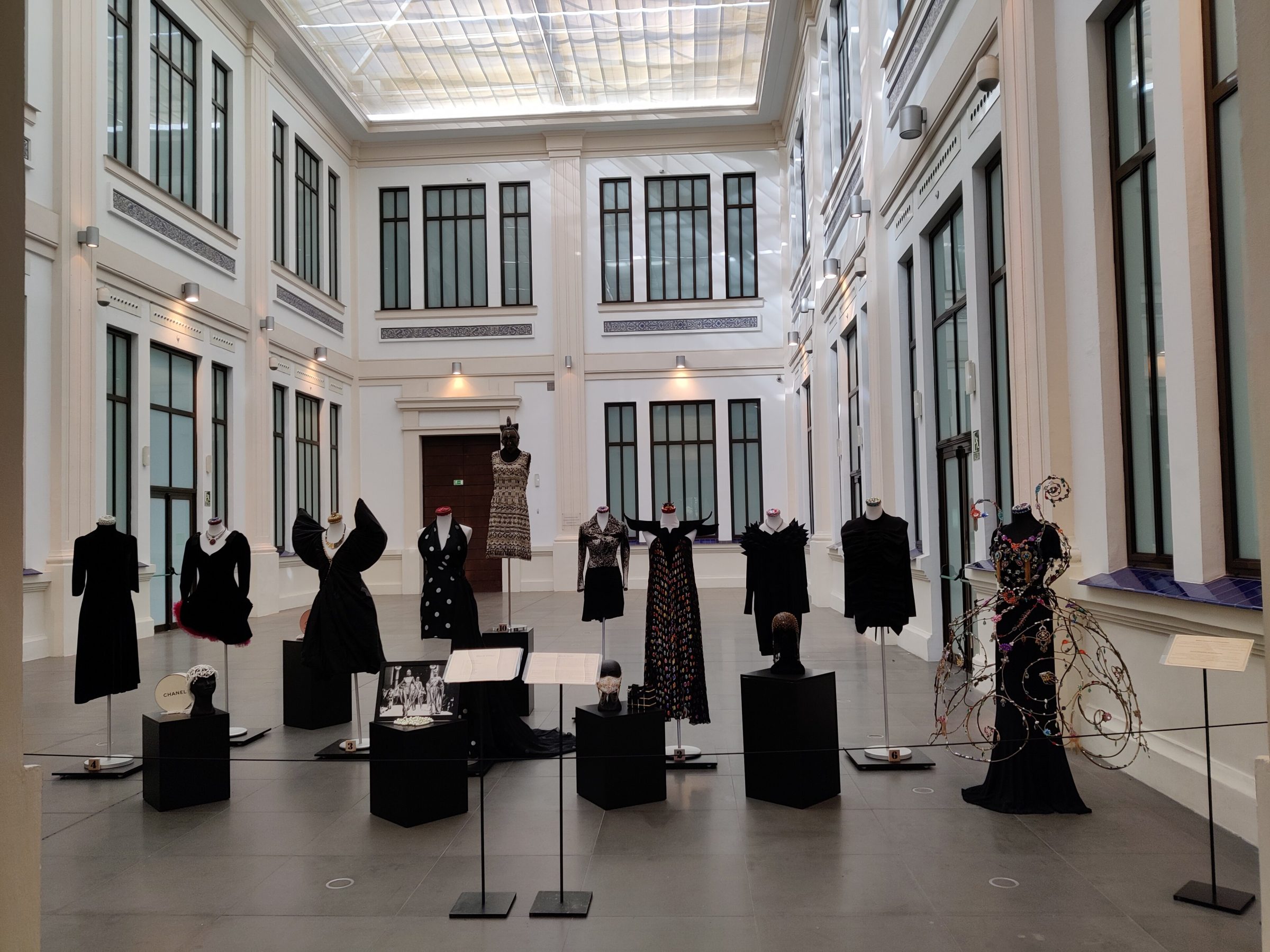
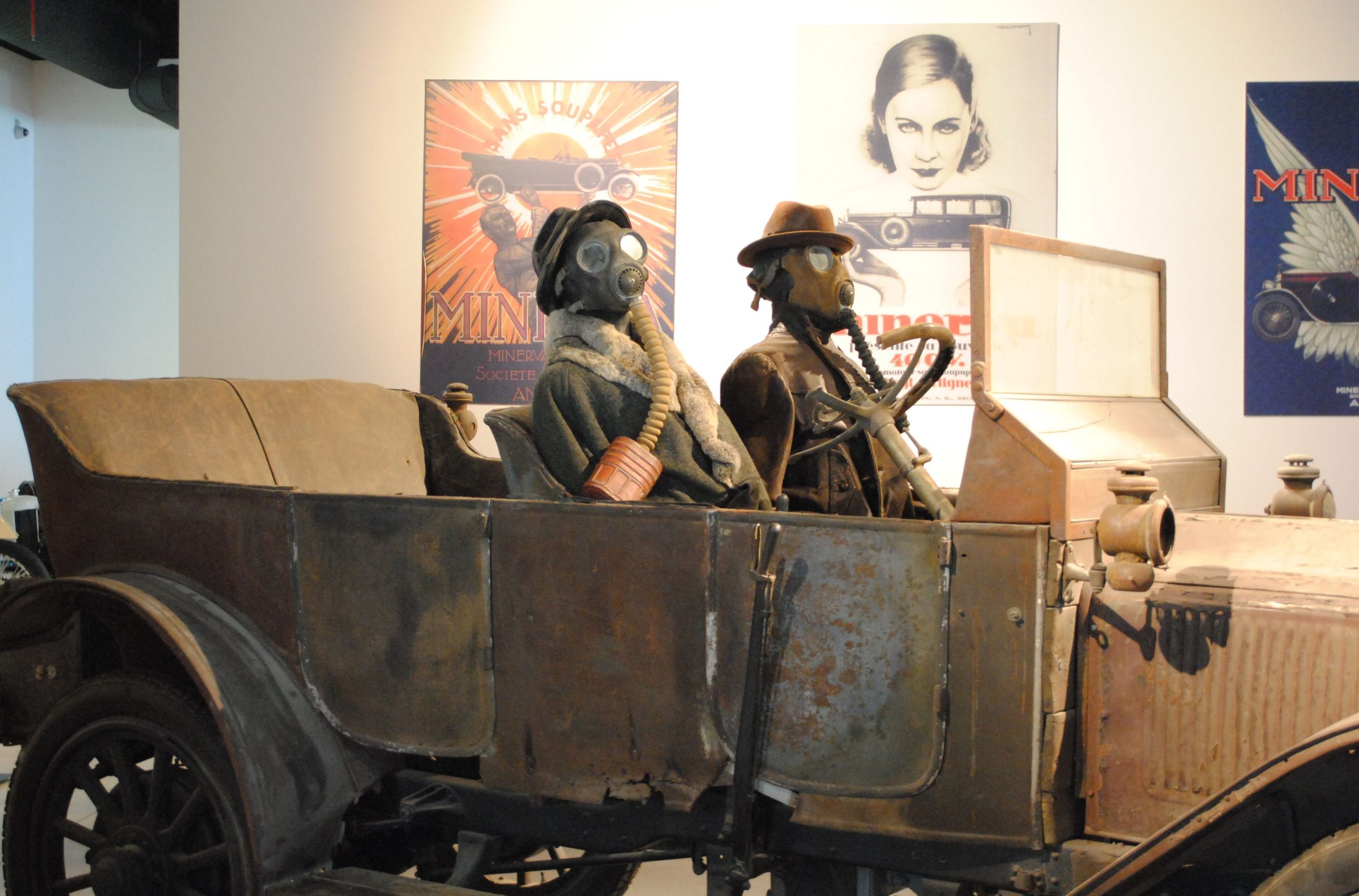
In winter, it’s twice as enjoyable to stroll through this climate-controlled hangar, which houses over a hundred exclusive historic vehicles (from Bugatti and Packard models to Ferrari racing cars) alongside collections of vintage haute couture by Chanel and Dior.
Skip the queues at the ticket office and secure your preferred time slot by booking your <x-k i= directly on your smartphone.
Lunch: The much-loved “Plato de los Montes” at Venta El Túnel
At 1.30 pm, start the car and take the A-7000 mountain road, which winds its way up towards the

This is the essential winter ritual for any self-respecting family from Málaga when the weekend arrives or the temperatures drop.
Pull over at the iconic Venta El Túnel. There are no sophisticated set menus here; people come to eat the legendary ‘Plato de los Montes’.
What does the authentic ‘Plato de los Montes’ consist of?
A high-calorie feast of pork loin in red lard, charcoal-grilled chorizo from the mountains, a fried egg, fried green peppers and a mountain of homemade ‘a lo pobre’ chips.
Wash it down with a jug of Vino Mosto de los Montes (a young, cloudy and fruity local wine) and order their famous Arroz caldoso de cazador as a main course. You’ll leave feeling warm and energised for the rest of the day.
Afternoon: A gentle hike through the Montes de Málaga
After your hearty lunch, make the most of the opportunity to work off your meal with a gentle walk. Drive a couple of kilometres further up to the El Cerrado recreation area. From there, a very easy, signposted circular trail takes you straight to the Mirador del Cochino viewpoint. In winter and spring, as the air is free from the haze of the summer heat, the views of the whole city, the port and the Mediterranean Sea framed by the mountains are simply unforgettable.
Evening: Micro-theatre and tapas around the Thyssen Museum
Return to the city centre as the sun sets (around 6.30 pm). Leave your car at the hotel and take a stroll around Calle Compañía. For a light dinner after your feast in the mountains, pop into La Tranca, a tavern with a spectacular atmosphere where the waiters jot down the bill on the bar with chalk whilst Spanish folk music plays in the background. Order their homemade pasties and vermouth on tap.
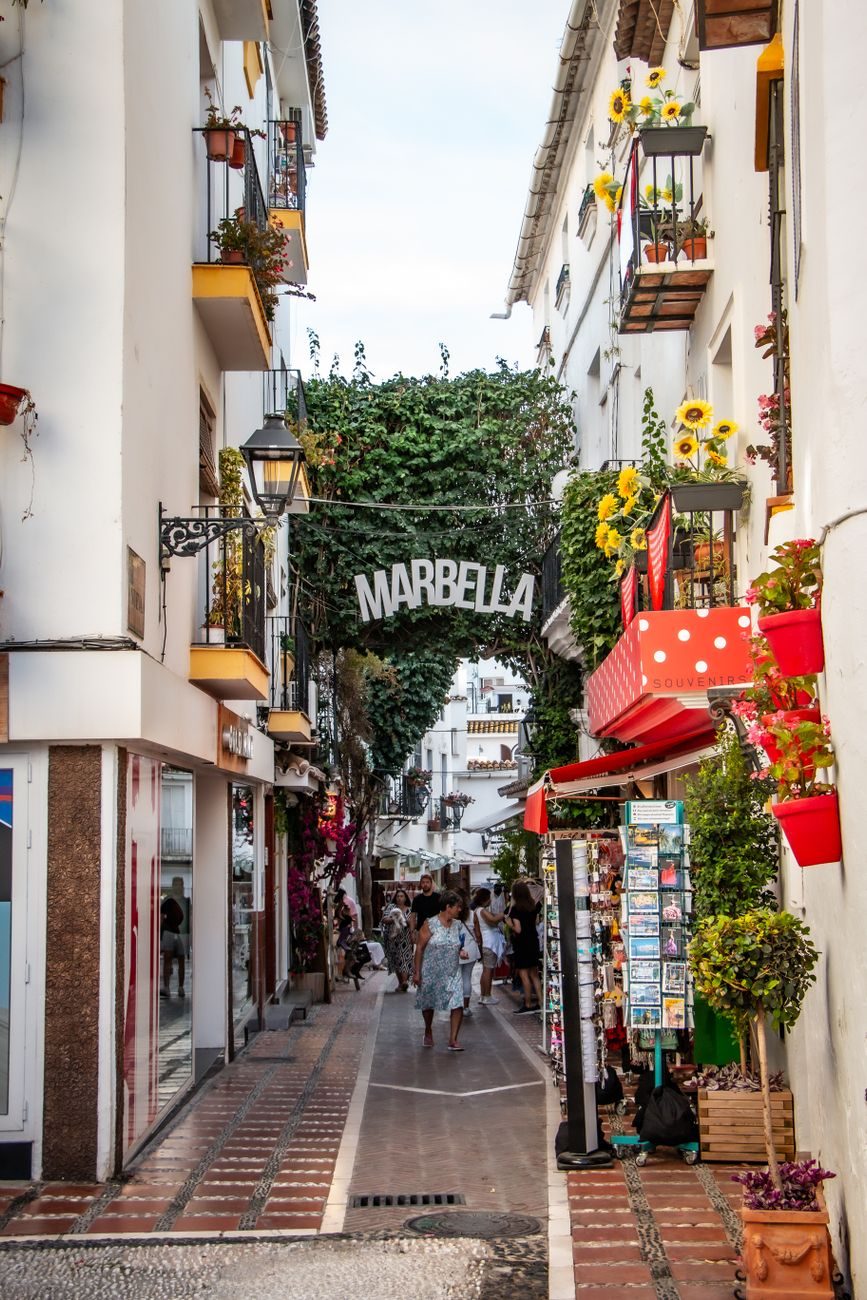
Marbella in winter is the best-kept secret in the province of Málaga. Without the August traffic jams, the exorbitant prices or the hordes of tourists, the city regains its purest charm and enjoys a microclimate sheltered by the Sierra Blanca, which keeps the temperature hovering around 19°C.
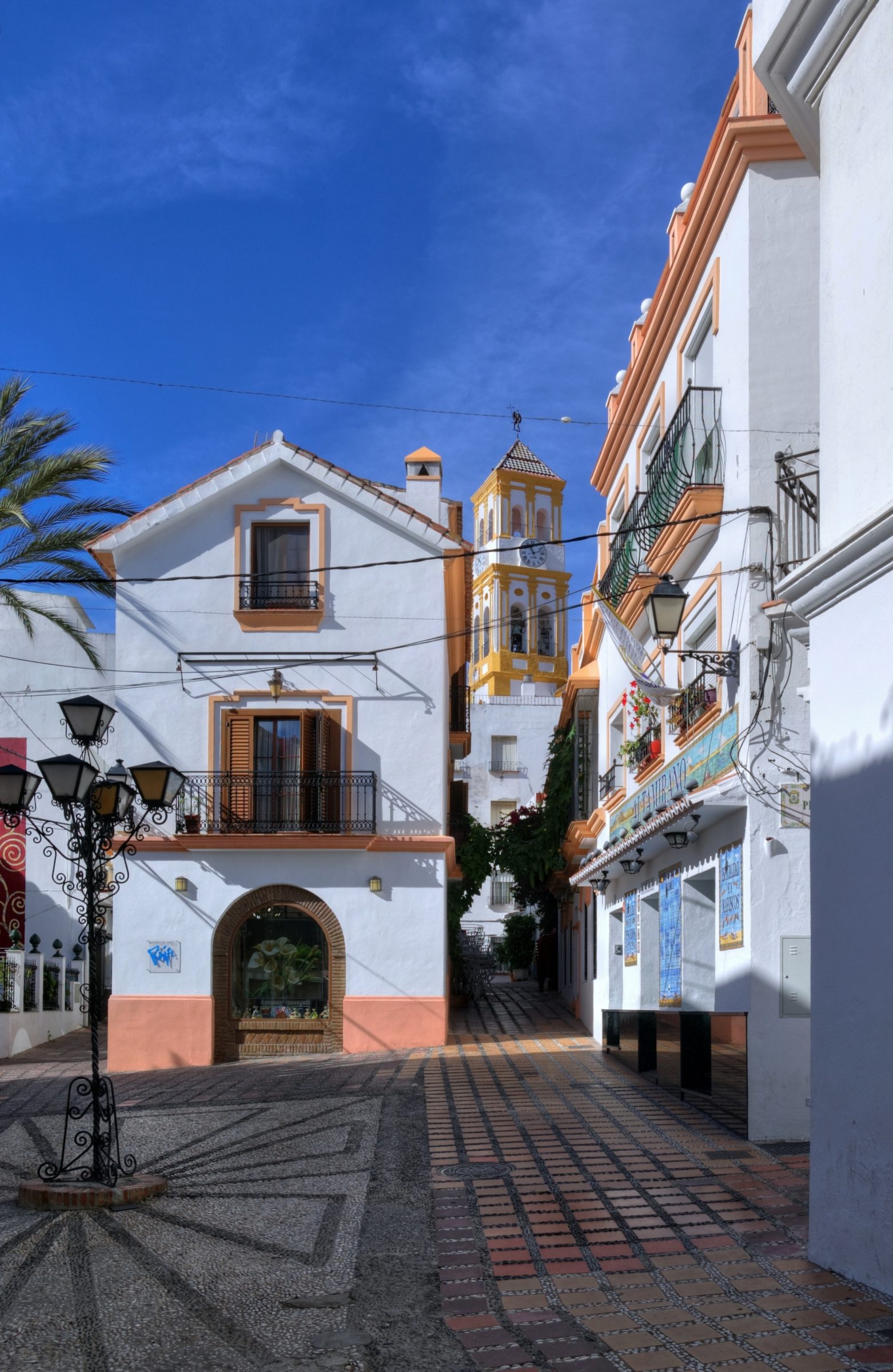
Logistics and transport to Marbella
Marbella is located about 60 kilometres west of Málaga. The quickest way is <x-k i=via the AP-7 toll motorway (about 45 minutes) or the A-7 free motorway (about 55 minutes). If you prefer to travel by public transport, direct buses operated by Avanza depart from Málaga Bus Station and drop you off at the Marbella terminal in under an hour.
Getting around the western Costa del Sol in winter is a real pleasure thanks to the lack of traffic. Find the perfect car at the most competitive price using this [Málaga Car Hire Search Tool].
Tomorrow: The Andalusian secret of Marbella’s Old Town
The Plaza de los Naranjos
Many travellers associate Marbella solely with yachts and nightclubs, unaware that it boasts one of the most beautiful Moorish historic centres in Andalusia. Arrive at 10.00 am and head to the heart of the city: the Plaza de los Naranjos. In winter and spring, the trees that give the square its name are laden with fruit, and the scent of orange blossom in spring is heady. Admire the Renaissance-style Town Hall and the Casa del Corregidor.
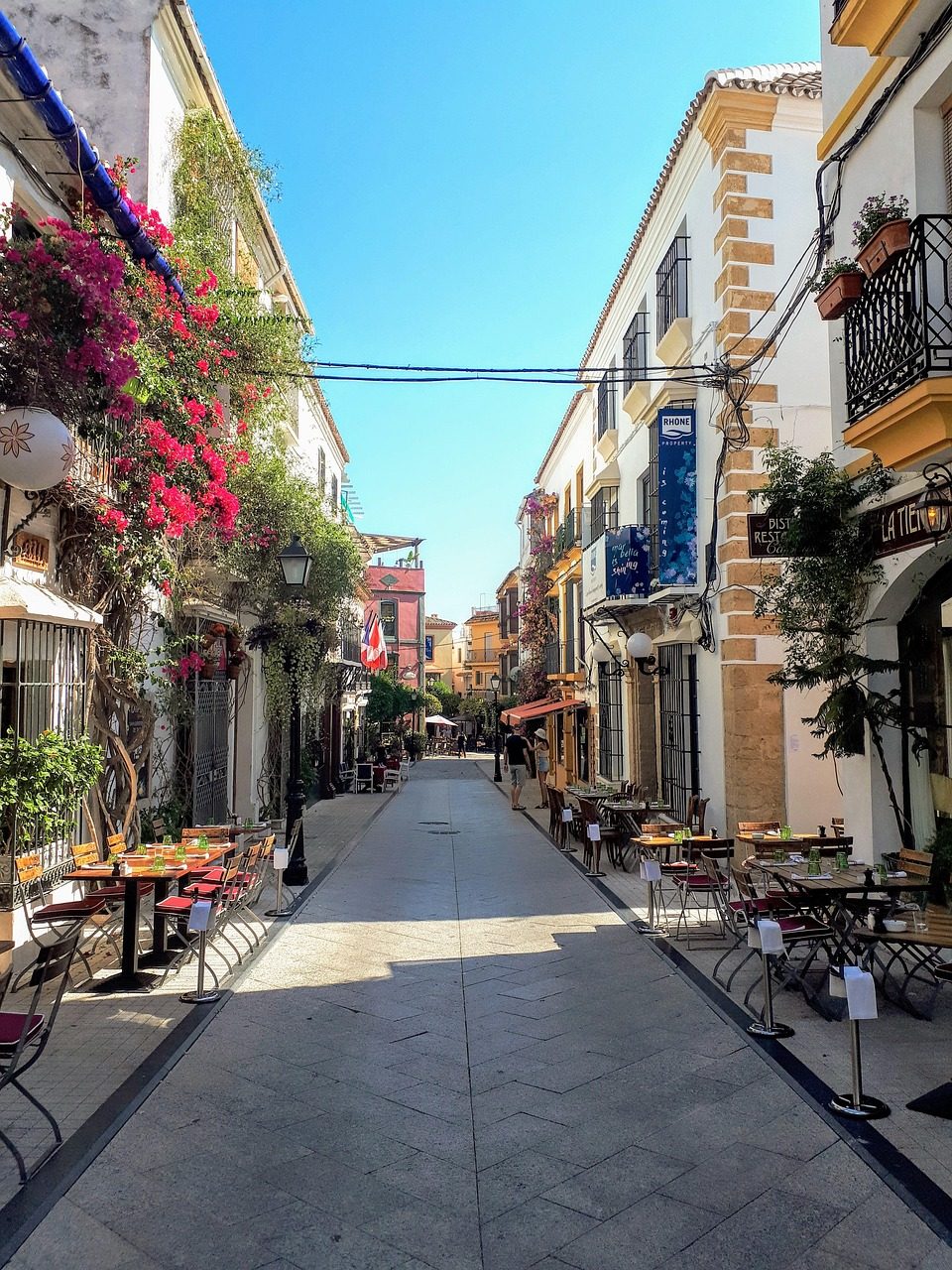
The Castle Walls and Calle Ancha
Wander aimlessly through the whitewashed alleyways flanked by bougainvillea and pots of geraniums in a vivid electric blue. Take a photo of the remains of the Arab Castle Walls (10th century) and walk up the picturesque Calle Ancha to the Church of La Encarnación. It’s a serene, stately setting where silence reigns.
Recommended Tour: Discover the stories of the corsairs, the Catholic Monarchs and the golden age of the jet set by booking this [Free Tour of Marbella’s Historic Centre] with an expert local guide.
Lunch: Market-style tapas and Marbella’s giant churros
For a good, affordable lunch in Marbella (yes, it is possible!), head to Marbella’s Municipal Market (Calle Francisca Daza) and take a seat at the bar of any of its fresh seafood stalls.
Alternatively, pop into the iconic Churrería Ramón in Plaza de los Naranjos itself. They’re famous throughout the province for their crispy churros, shaped like a giant woven wheel, served with hot chocolate or fresh fruit juices.
Afternoon: Dalí’s sculptures and the Puerto Banús seafront promenade
Avenida del Mar and its Dalí sculptures
Head down towards the sea through the leafy Alameda and stroll along Avenida del Mar. This marble pedestrian promenade is an open-air museum housing a unique collection of ten original bronze sculptures designed by Salvador Dalí. Entry is completely free of charge.
A Stroll Through the ‘Barefoot Luxury’ of Puerto Banús
Take the car or hop on the L-1 city bus and travel 6 kilometres west to reach Puerto Banús. In winter, you can take a leisurely stroll along the main quay, admiring the internationally flagged mega-yachts, the ultra-luxury boutiques (Gucci, Louis Vuitton, Dior) and high-end sports cars, without the hassle of the paparazzi or the summer crowds. The golden light of the winter sunset reflecting off the hulls of the boats, with the silhouette of the La Concha mountain range in the background, is spectacular.
Evening: Return to Málaga and a contemporary dinner
Back in Málaga city centre, for dinner I suggest you wander through the alleyways off Calle Larios and book a table at Los Mellizos to try their famous lobster rice casserole. Rest up, because tomorrow we’ll be exploring the most stately and hidden corners of Málaga.
Today we’ll leave the most crowded museums behind and delve into the most enigmatic, romantic and stately side of Málaga. A perfect walking tour to enjoy the light of January or February.
Transport and logistics tips
Today we’ll be getting around on foot and using the EMT’s Line 1 city buses (single ticket price: €1.40, payable by contactless bank card on board).
Tomorrow: The mystery of the English Cemetery and the Basilica of La Victoria
The English Cemetery in Málaga
Your tour starts at 09:30 on Avenida de Pries, directly opposite the
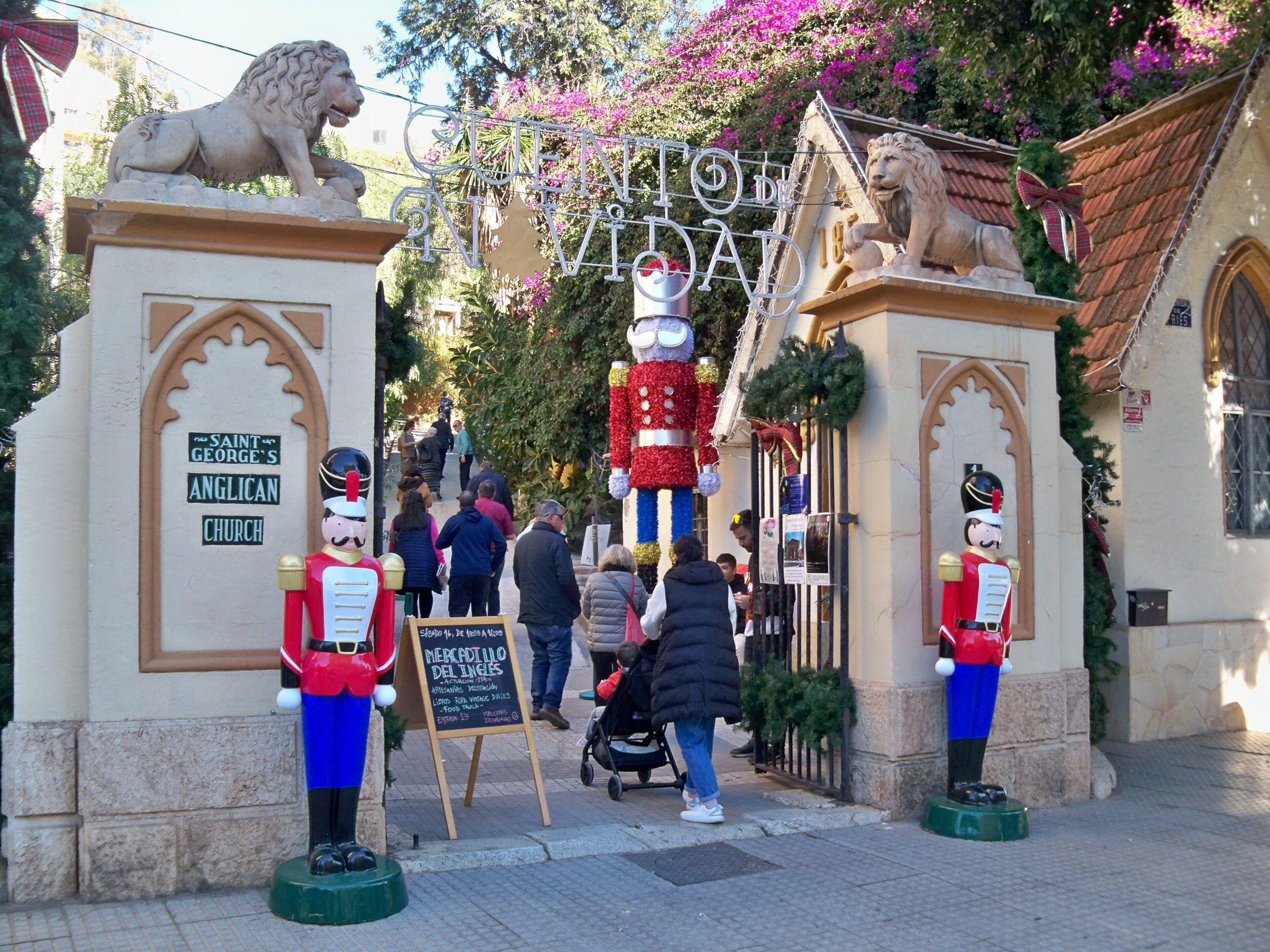
Paseo Marítimo de la Malagueta. You’ll visit the English Cemetery in Málaga, founded in 1831. It is the first Protestant cemetery in the whole of Spain. Before it was built, foreigners who died in Málaga (who were not Catholic) had to be buried at night, standing upright and facing the sea on the city’s beaches, left at the mercy of dogs and the waves.
Walking along its terraced paths, lined with exotic vegetation, graves covered in seashells and Gothic monuments, is a moving and beautiful experience. Buried here are the poet Jorge Guillén and the sailors of the German warship Gneisenau, which was wrecked in the bay in 1900.
The Sanctuary and Crypt of La Victoria
Take the number 1 bus and get off in the La Victoria neighbourhood. Enter the Sanctuary of La Victoria. This church houses one of the masterpieces of the sombre Spanish Baroque style: the Crypt of the Counts of Buenavista. The walls are completely covered in white plaster reliefs set against a pitch-black background, teeming with skulls, skeletons and figures representing death. The contrast with the Virgin’s niche (which is all light and gold) will leave you speechless.
Lunch: A neighbourhood stew at ‘El Rincón de la Porra’
Stroll down towards Calle Victoria and look out for Restaurante El Cortijo de Pepe or La Taberna de Álvaro. Order a hot dish of chickpeas with tripe, braised oxtail or artichokes with Iberian ham. The prices here reflect those of a genuine Málaga neighbourhood, a far cry from the rates in the historic centre.
Afternoon: The Palacio de la Aduana and sunset in the Puerta Oscura Gardens
Málaga Museum (Palacio de la Aduana) – Free
Spend the afternoon exploring the fine arts section of the Palacio de la Aduana. Its high ceilings and neoclassical galleries house spectacular paintings by 19th-century artists from the Málaga school, such as Muñoz Degrain and Enrique Simonet (don’t miss his iconic painting ‘¡Y tenía corazón!’). Admission is free for EU citizens.
Puerta Oscura Gardens
At 5.45 pm, leave the museum and walk along the southern foot of the Alcazaba through the Puerta Oscura Gardens. Designed by the architect Fernando Guerrero-Strachan, they are laid out in terraces featuring fountains and cypress trees. In winter, the setting sun bathes the Moorish walls in a stunning fiery red hue.
Evening: Traditional tapas dinner with a religious festival atmosphere at Taberna Las Merchanas
As an alternative to La Tranca, another of Málaga’s most iconic, long-established taverns – offering a similar level of energy, local colour and authenticity – we recommend dining at Las Merchanas. Head to the nearby Calle Mosquera and step through the door of Taberna Las Merchanas. The atmosphere here is unique in the city: the place is entirely themed around Málaga’s Holy Week, decorated from top to bottom with robes, banners and historical photos, with processional music playing in the background. The waiters serve at a frenetic pace and the place oozes local character. Order their famous ‘croquetón’ montadito, the ‘lágrimas de pollo’ or the ‘flamenquines’, and wash it all down with a well-poured caña or a glass of local wine.
Today we’re heading to the Axarquía region to visit Torrox. This town officially boasts the best climate on the entire European continent, thanks to the protection afforded by the Almijara and Tejeda mountain ranges, which block the northerly winds and create a winter oasis with a constant average temperature of 18°C.
Logistics and transport options for Torrox
Torrox is about 40 minutes east of Málaga via the Mediterranean motorway (A-7). To make the most of your day by combining the inland town with the coastal area, a hire car is your best option.
<x-k i=Getting about on the clear roads of the Axarquía in winter is a real pleasure.
Morning: The labyrinth of colourful umbrellas in Torrox Pueblo
Arrive at 10.00 am in Torrox Pueblo (the historic inland area). Park near the Plaza de la Constitución. This square is hugely popular on social media because, for much of the year, it’s covered by a monumental canopy made up of hundreds of brightly coloured umbrellas that filter the winter sunlight in a truly beautiful way.
Take a stroll through the San Roque neighbourhood and wander through its narrow streets of Mudejar origin. The façades of the houses are whitewashed in a pristine white that contrasts with the green of the ferns and the flowerpots tended by the residents at their doorsteps. Visit the Church of Nuestra Señora de la Encarnación, a Baroque building constructed on the site of an old mosque.
Lunch: Migas Torroxeras at the Chiringuito Costa del Sol
Drive down to the Torrox Costa area (just 5 minutes from the village). Park next to the Ferrara Promenade and look for the Chiringuito Costa del Sol or Varadero Beach.
In winter, eating in the sun on the seafront terrace in short sleeves is a luxury that only Torrox can offer. Order the town’s signature dish: Migas Torroxeras. Unlike the versions found further inland, here they’re made with wheat semolina and are always served with an ‘ensalada arriera’ (tomato, onion, local oranges, olives and flaked cod).
Afternoon: The Roman Ruins of Caviclum and the Torrox Lighthouse
At 3.30 pm, walk towards the headland where the Torrox Lighthouse (built in 1860) stands. Right at its foot lies the Caviclum Archaeological Site.
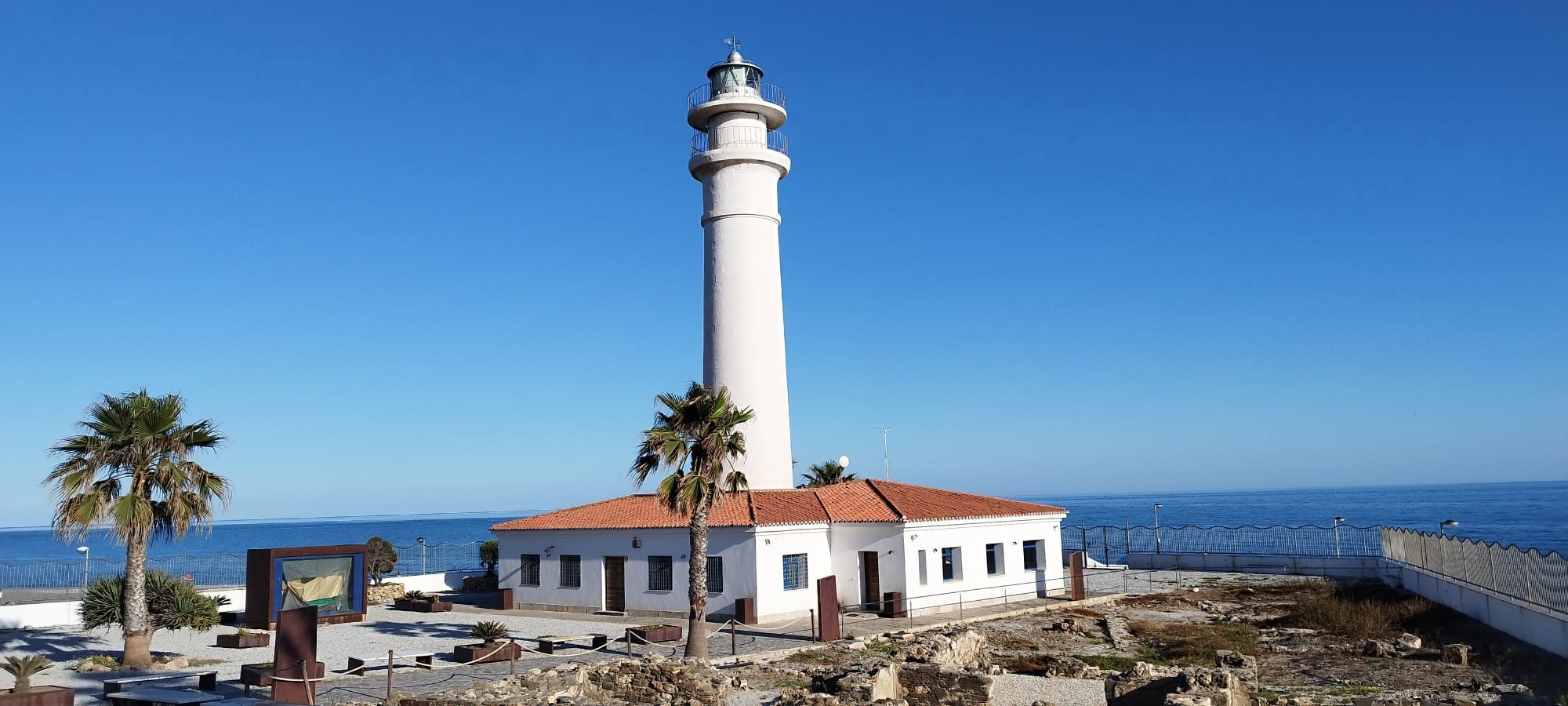
This is an ancient Roman trading settlement dating from the 1st century AD. You’ll be able to clearly see the remains of a Roman villa, a necropolis, a complete set of thermal baths and the vats where the Romans produced garum, the highly prized fermented fish sauce they exported to Rome at a premium price. The visitor centre features a spectacular glass floor that allows you to walk over the original mosaics laid 2,000 years ago.
Evening: Return to Málaga and a contemporary dinner in Soho
Return to Málaga city via the coastal motorway, enjoying the sunset over the Mediterranean. For dinner, head to the city’s Soho district and book a table at the modern restaurant La Fábrica de Cruzcampo to enjoy its gourmet grilled meats and a variety of craft beers brewed on the premises.
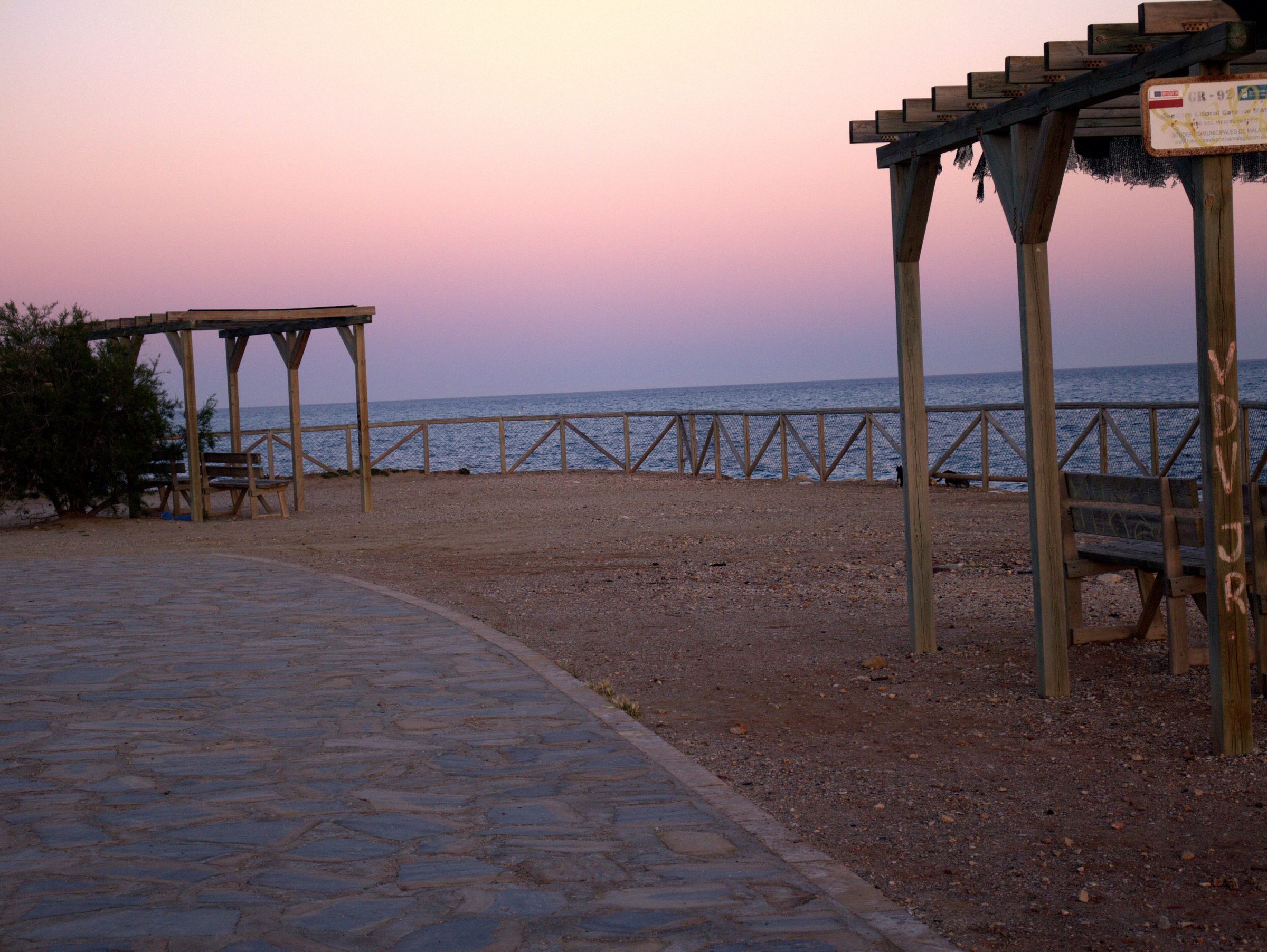
Today we combine the capital’s green lung with the lesser-known archaeological coastline at the eastern edge of the city. A day of contrasts and nature in its purest form.
Logistics and transport for the day
For this itinerary, it is essential to have your own hire car, as the routes through the Montes de Málaga and access to the Araña archaeological sites lack convenient public transport links.
Morning: Hiking along the Ruta de las Contadoras
Your morning begins at 09:30. Take the car and drive up the Montes road (A-7000) to the Las Contadoras Nature Centre. One of the most beautiful and accessible trails in the Natural Park starts from here.
The route is a circular walk of around 6 kilometres, under the dense shade of Aleppo pine forests. In winter and spring, the ground is green and the air is filled with the intense scent of pine, thyme and rosemary. It is a flat walk where you’ll pass by old wine presses (the country houses where grapes were trodden in the 19th century) and which offers you absolute silence, broken only by birdsong.
Lunch: Arroz de Cazador at Venta Galwey
At 1.30 pm, drive a few minutes to the legendary Venta Galwey. If you tried the ‘Plato de los Montes’ on your fifth day, today I suggest you order their spectacular ‘Arroz caldoso de cazador’ (with rabbit or partridge) or their venison in sauce. The warmth of the inn’s wood-burning fireplace creates the most authentic Malaga winter atmosphere you could hope to experience.
Afternoon: The Prehistoric Caves of La Araña
Head down from the hills towards the city’s east coast, passing through the El Palo neighbourhood, until you reach La Araña.
At 4.00 pm, visit the Humo de la Araña Complex, also known as the La Araña Karst Complex. Here you’ll find a group of limestone caves that were inhabited by Neanderthals and, later, by Homo sapiens. The visitor centre organises guided tours through the tunnels and rock shelters where you can see where our ancestors lived and hunted over 50,000 years ago, all to the sound of the waves breaking just below.
Evening: Dinner in the picturesque Rincón de la Victoria
Drive a further 5 minutes eastwards to reach the neighbouring town of Rincón de la Victoria. Take a stroll along its illuminated cliff path (the El Cantal trail) and have dinner at Casa de la Abuela or La Quincha. Order some aubergines with cane sugar syrup and some charcoal-grilled octopus skewers before returning to your hotel in Málaga to rest.
Your final day of winter is designed for you to enjoy the centre of Málaga at a leisurely pace, buy some local gastronomic souvenirs and bid farewell to the city with a culinary treat.
Morning: The Salamanca Market and the Molinillo neighbourhood
Start your morning at 10.00 am by heading away from the touristy streets of the city centre. Make your way to the Molinillo neighbourhood to visit the Salamanca Market. This neighbourhood market is a hidden architectural gem: a Neo-Mudéjar-style building constructed in the early 20th century with a monumental, exotic façade that looks as though it’s straight out of an oriental fairy tale. You’ll see locals buying vegetables and fish without a single tourist in sight.
Lunch: unique, intimate and with a genuine village feel right in the city centre; La Recova
For lunch, head back to the charming Pasaje Nuestra Señora de los Dolores de San Juan and pop into La Recova. Whilst this spot is already famous for its breakfasts, at lunchtime it transforms into a very authentic rustic tavern. You’ll dine surrounded by Andalusian tiles, farming tools and traditional pottery, all of which you can also buy. Its menu is based on traditional tapas and the flavours of the inland areas of the province of Málaga. Order a mixed platter of Iberian cured meats from the Serranía de Ronda, their creamy Payoya goat’s cheese or the fried pork crackling. Don’t leave without trying their homemade stews of the day, such as porra antequerana or meat in sauce, all paired with a good draught vermouth or a white wine from the Axarquía.
Afternoon: Afternoon: Afternoon tea with views on a hotel rooftop
Spend the afternoon buying souvenirs that genuinely support local, zero-kilometre businesses. Pop into Ultramarinos Zoilo to buy Payoya goat’s cheese or wine from Ronda.
To enjoy the winter sunset from above, an elegant and unique option is to head up to one of the well-maintained hotel terraces in the historic centre. Unlike in summer, the gentle winter sun invites you to sit outdoors in the middle of the afternoon and enjoy a good coffee.
At 5.30 pm, head to the iconic La Equitativa building, right at the start of Calle Larios, and take the lift to the top floor to enter Lolita Skyview. This sophisticated terrace offers one of the most breathtaking panoramic views of the harbour, the Paseo del Parque and the castle’s silhouette. Its afternoon menu features a carefully curated selection of fine pastries, artisanal cakes of the day and speciality coffees. It’s the perfect spot if you’re looking for a chic, modern and relaxed atmosphere to watch the lights come on along the quay
Evening: Gala Dinner at Uvedoble Taberna
For your last night in the capital, book a table in the indoor area of Uvedoble Taberna. Say goodbye to Valencia’s cuisine by ordering their prawn Russian salad, their mini oxtail burger and their tuna tataki with ajoblanco. Toast with an ice-cold Victoria beer to an unforgettable 10 days in winter.
If your reader’s trip falls between the last few weeks of November and 6 January, this winter guide becomes a real draw for visitors. Málaga has repeatedly been voted one of the best Christmas destinations in the whole of Europe. Here are the key survival tips for this time of year:
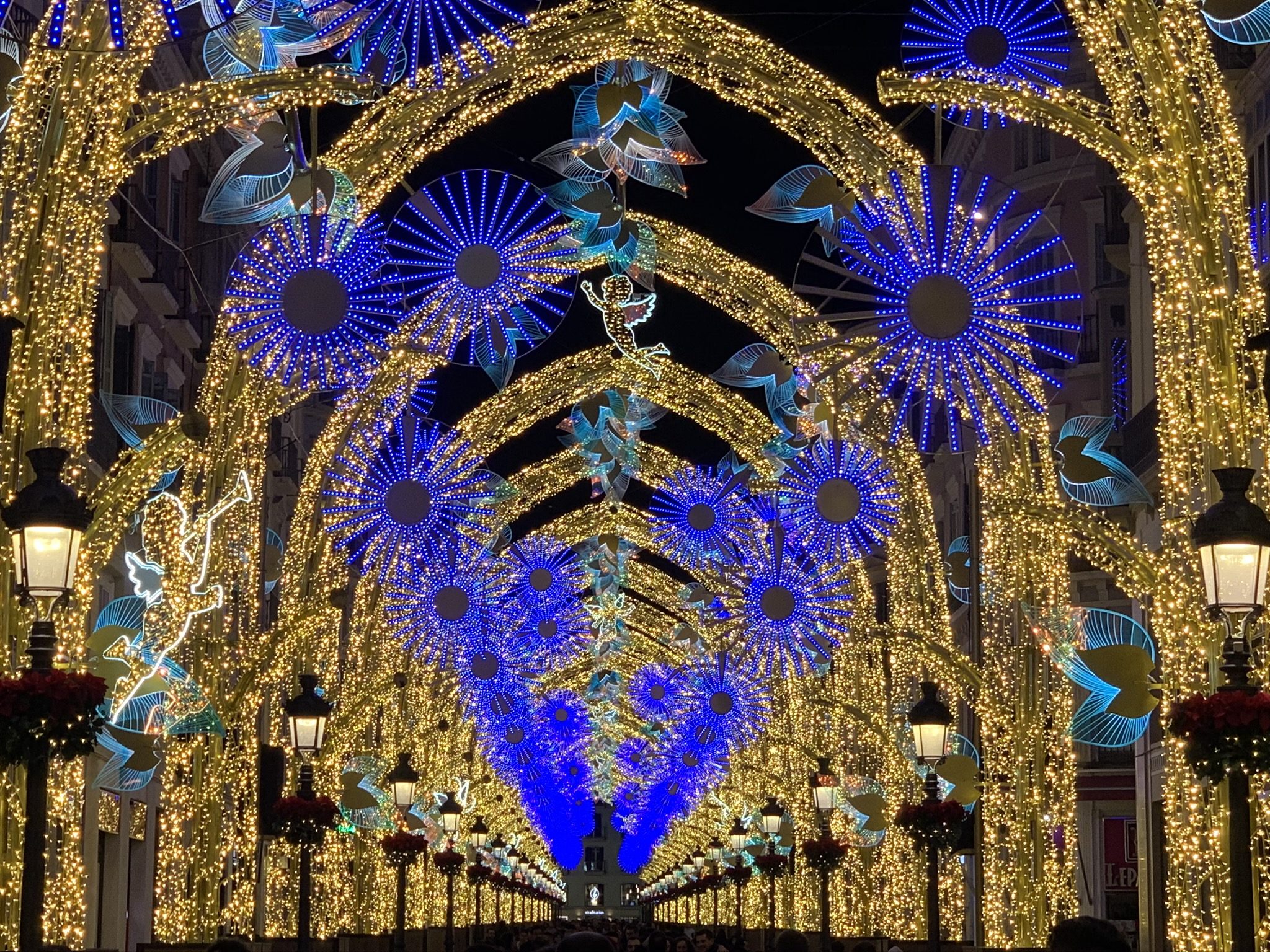
The local tip on timings: The Calle Larios illuminations feature three musical shows a day (usually at 6.30 pm, 8.00 pm and 9.30 pm). The first show is the busiest. If you want to see it without the crowds, head to Plaza de la Constitución for the 9.30 pm performance.
1. The Nativity Scene Tour of the City Centre
During the day, a lovely and free winter activity is to follow the nativity scene trail. The most spectacular of all is the Málaga City Council nativity scene (Paseo del Parque), which features hundreds of moving figures and an incredible historical setting. The nativity scenes at the Cathedral and the Cofradía de los Estudiantes are also well worth a visit.
2. The Christmas Markets on the Paseo del Parque
In the shade of the palm trees on the Paseo del Parque, dozens of wooden huts are set up to form the main Christmas market. This is where people come to buy handcrafted nativity figures, leather crafts, convent sweets and roasted chestnuts, the aroma of which fills the entire historic centre as evening falls.
Málaga’s population doubles at Christmas and hotels are almost 100 per cent full. If you’re planning to travel at this time of year, it’s essential that you book your [hotel or apartment in central Málaga with free cancellation] several months in advance to avoid exorbitant prices.
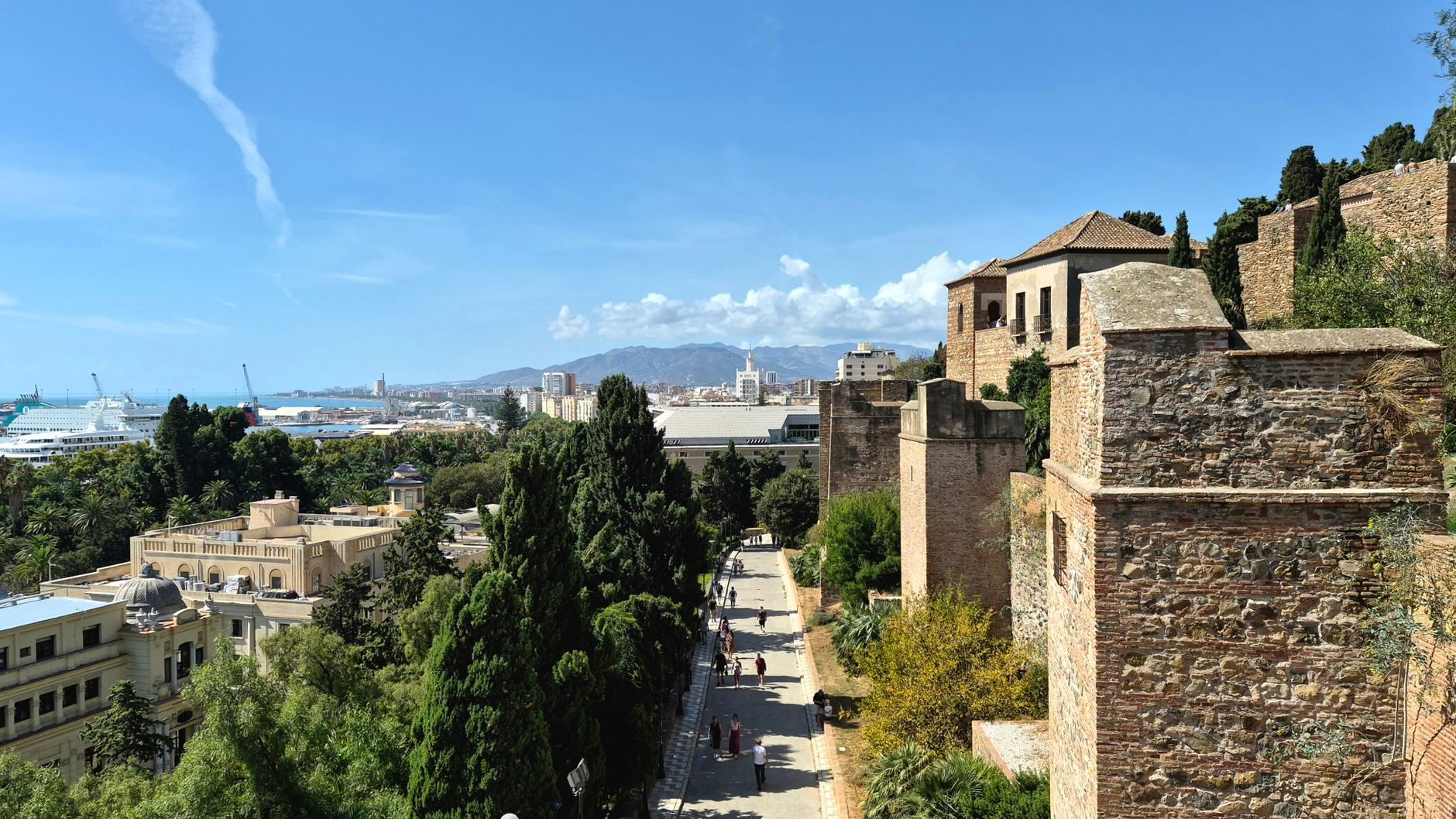 ExperiencesAlcazaba of MálagaThe Alcazaba of Málaga is a historic monument in Málaga. The option shown is a guided tour: check whether adm…From 12.00 €
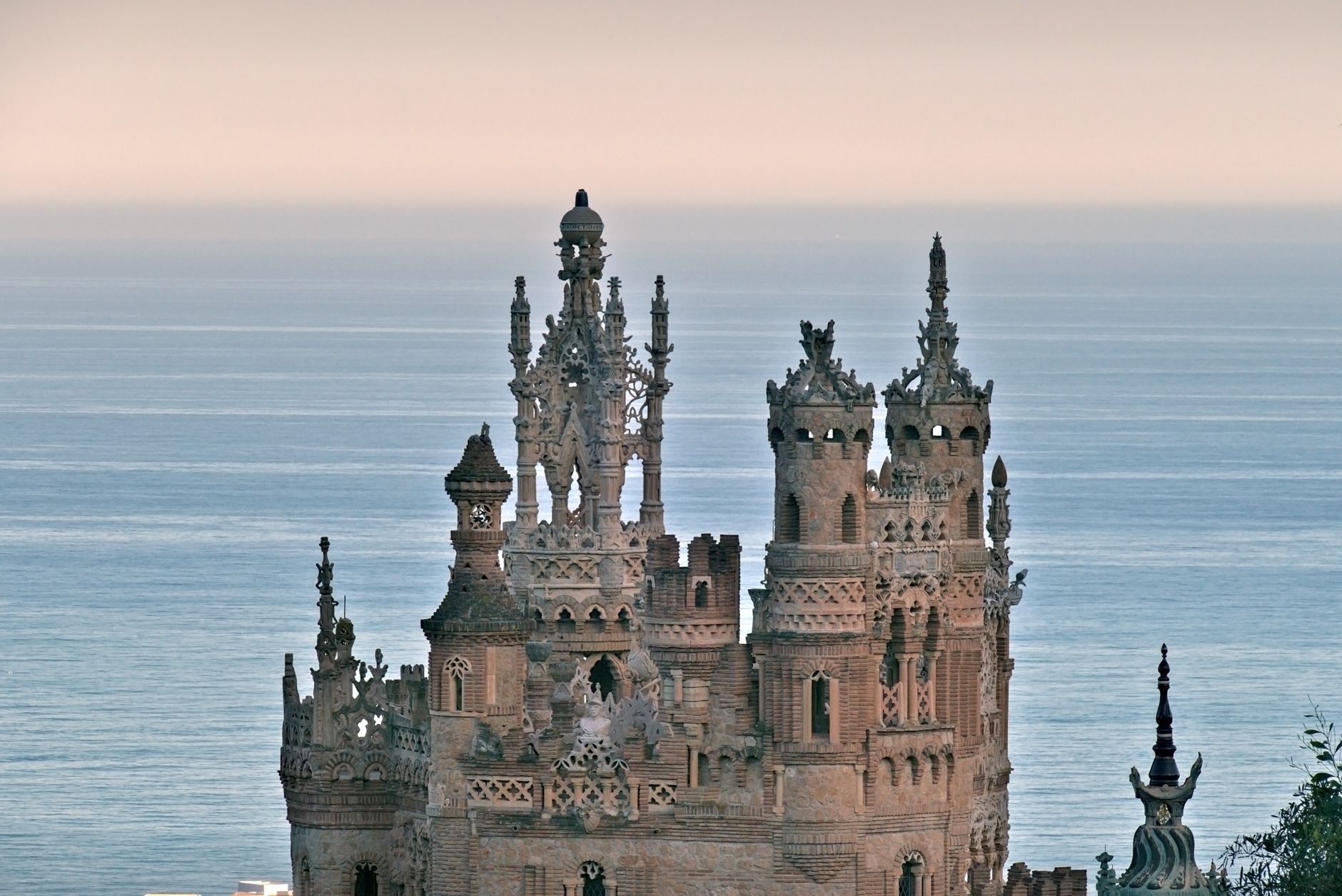 ExperiencesColomares CastleColomares Castle, situated in the heart of the picturesque town of Benalmádena, is a unique monument that has…From 9.00 €
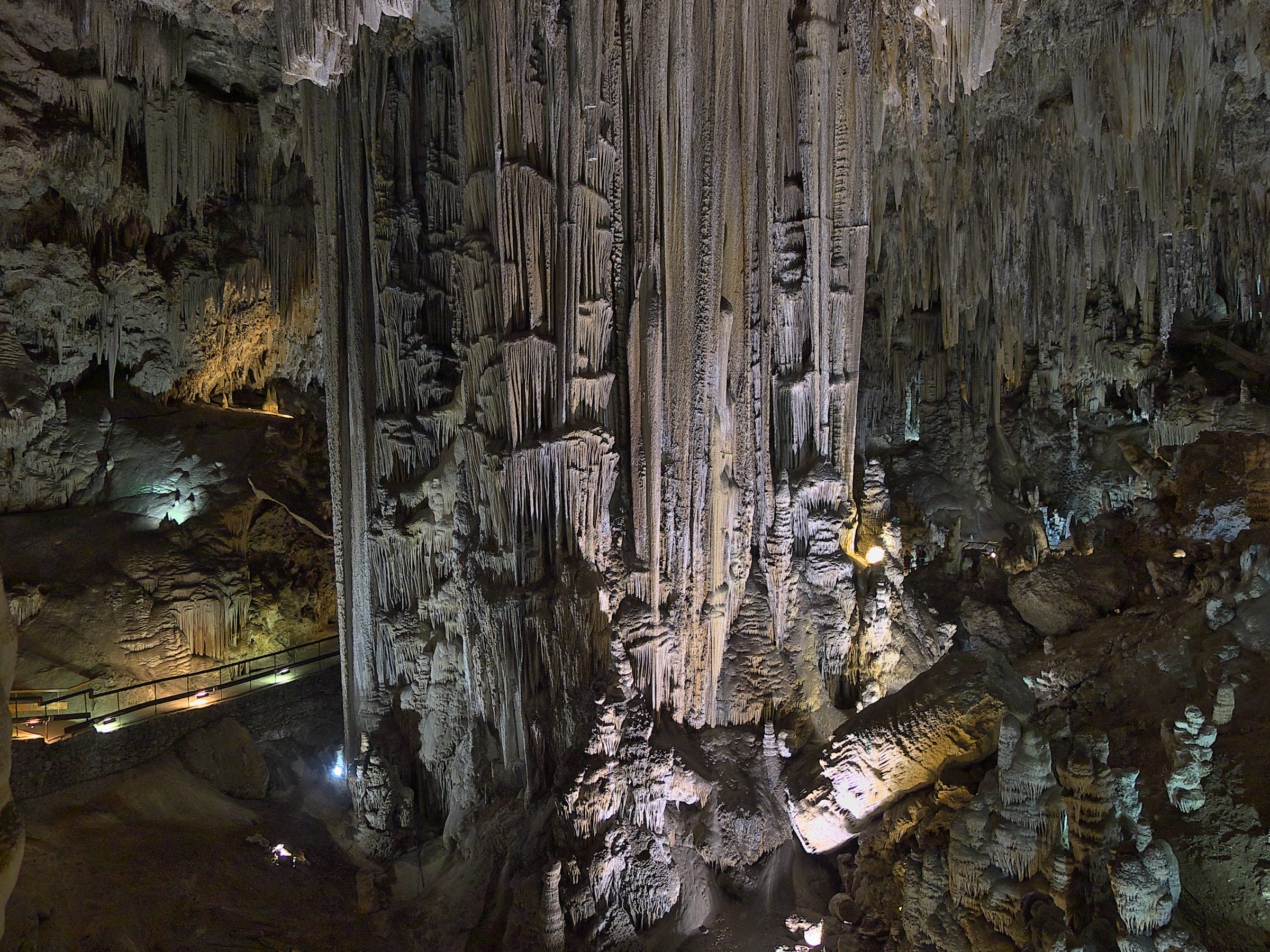 ExperiencesBuy tickets for the Nerja CavesDiscover the Nerja Caves, a stunning natural masterpiece designated as an Asset of Cultural Interest.
Secure…From 16.00 €
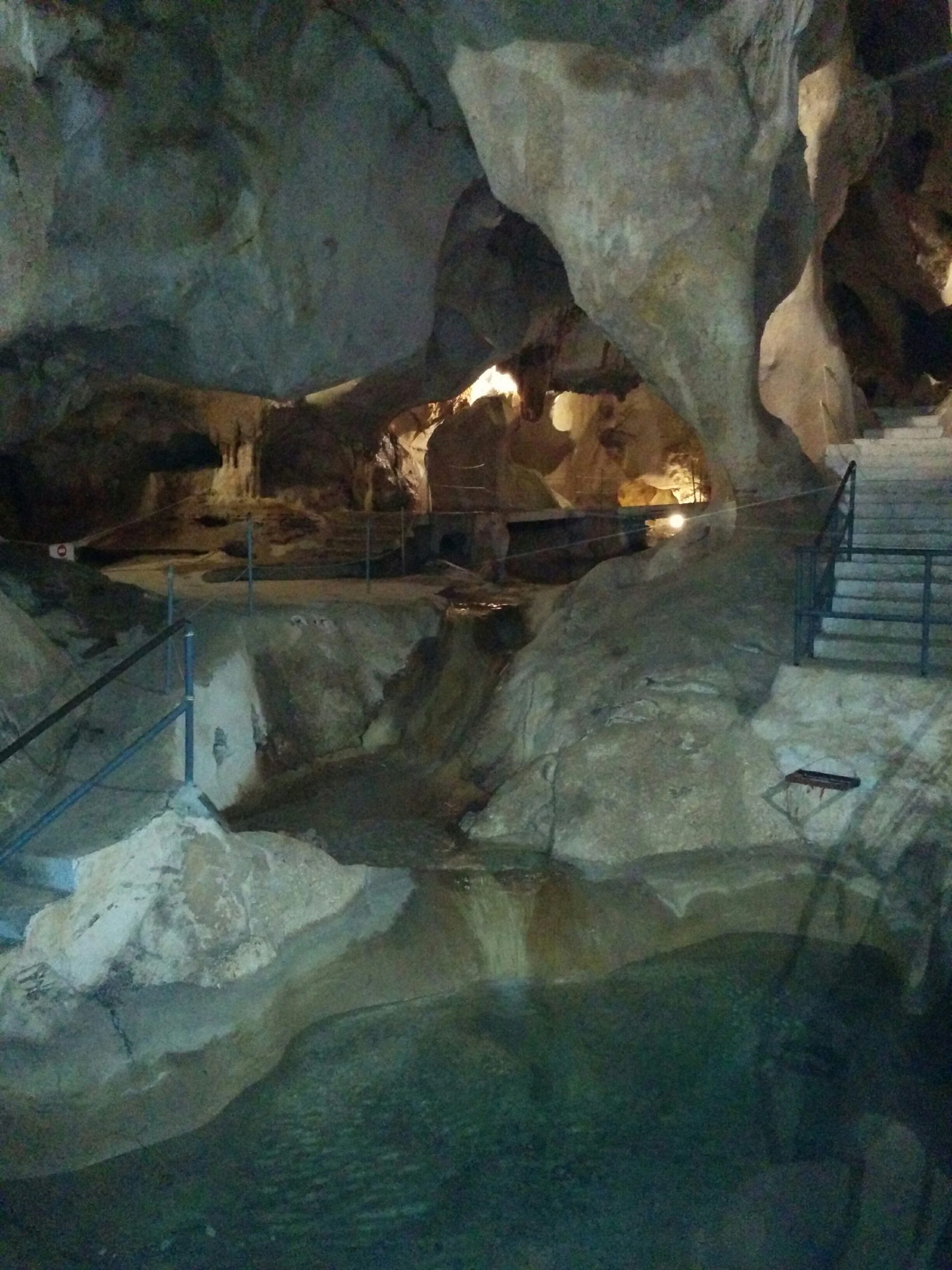 ExperiencesCueva del Tesoro and the treasure caves by electric carFrom 99.00 €
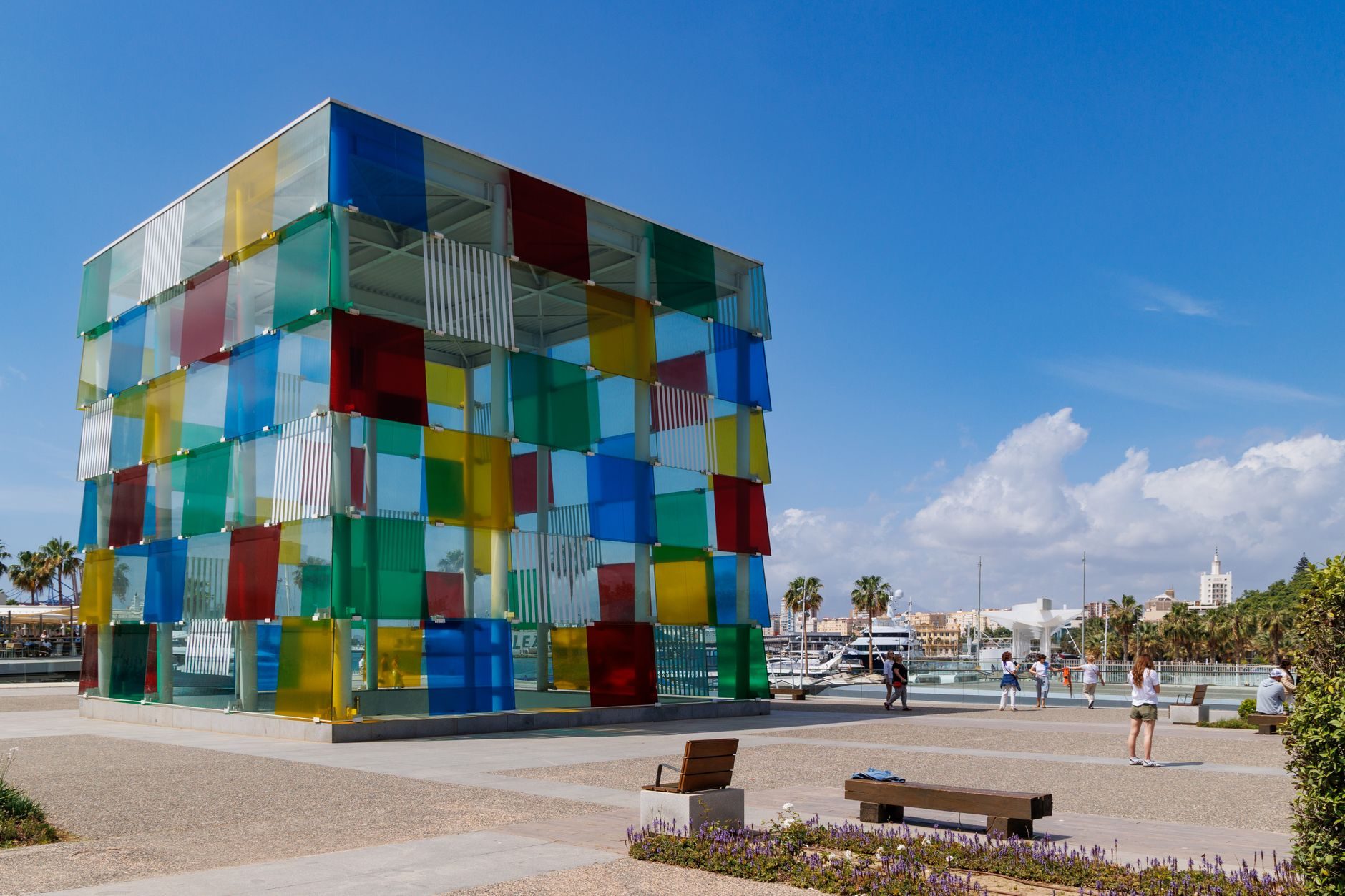 ExperiencesTickets for the Centre Pompidou MálagaThe Centre Pompidou Málaga is a museum of contemporary art in Málaga. Check which exhibitions are included wi…From 9.00 €
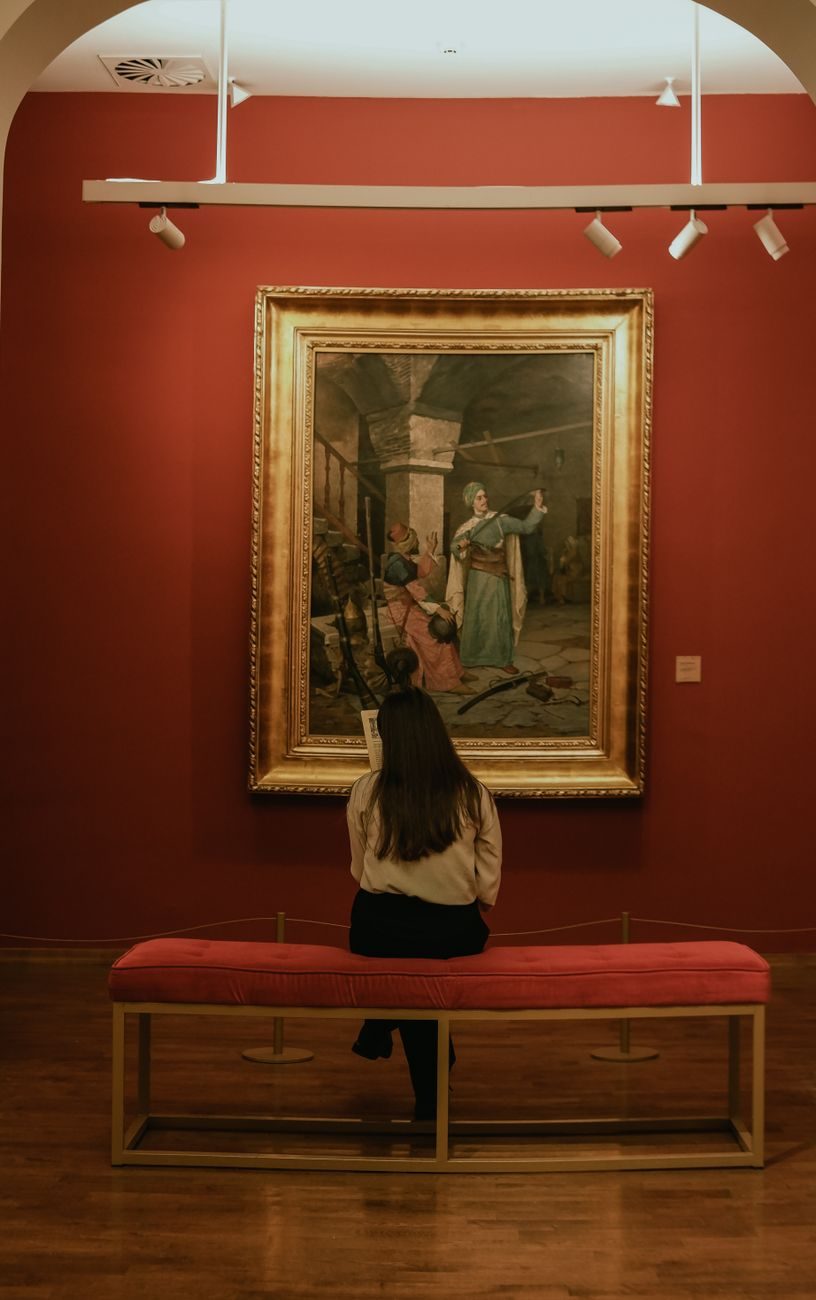 ExperiencesTickets for the Carmen Thyssen Museum, MálagaThe Carmen Thyssen Museum in Málaga is an art museum in Málaga. Check whether the admission ticket includes a…Guides
What to see in Torremolinos with our official tourist guide: the best beaches, completely free activities, nightlife and events on the Costa del Sol.
Read guide → Guides
A comprehensive 7-day guide featuring the best itineraries, activities and places of interest to visit in Benalmádena with the family.
Read guide →GuidesDiscover Málaga in winter with this comprehensive 10-day guide, designed to help you make the most of the province while avoiding the crowds. It features detailed itineraries for the historic center, hiking trails through the Montes de Málaga, the best-kept secrets of Marbella, and top spots for traditional local cuisine—all while you enjoy the Costa del Sol’s excellent winter microclimate.
Read guide → Event · Málaga
Teatro del Soho CaixaBank
See tickets → Event · Málaga
Sohrlin Andalucía
From 11.90 €
See tickets (64 dates) →See tickets → Event · Málaga
Teatro Esad Málaga, C. Béla Bartók, 2, Teatinos-Universidad, 29010 Málaga
From 22.05 €
Buy on El Corte Inglés →See tickets →