The Soul of Andalusia in Canvases of Gold and Light
With tickets to the Carmen Thyssen Museum in Málaga, you won’t just be visiting a museum; you’ll be taking a journey back in time to the heart of the most romantic, vibrant and authentic Spain. To cross the threshold of the Palacio de Villalón, a 16th-century Renaissance gem right in the city centre, is to step into an oasis where art and history speak volumes.
The Carmen Thyssen Museum in Málaga houses the most authentic portrait of 19th-century Spain.
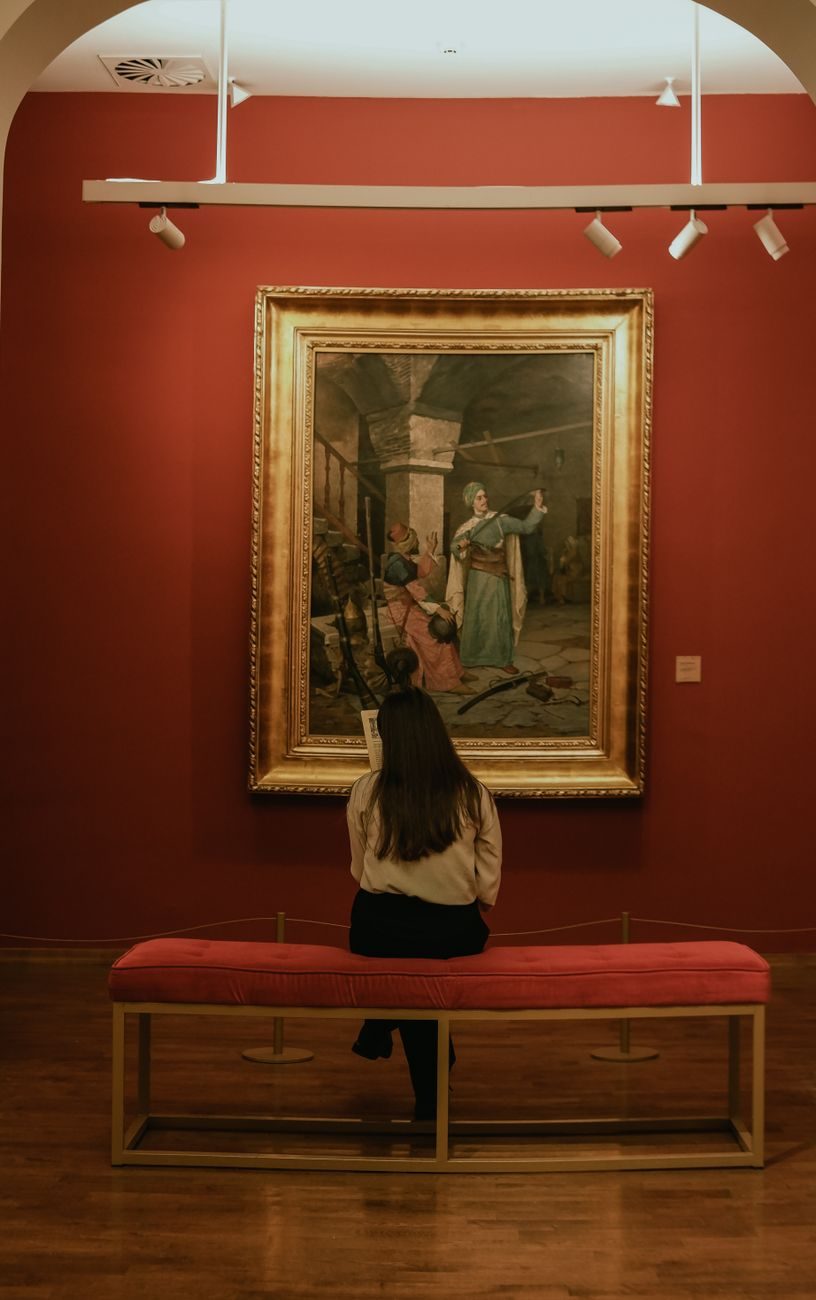
The light of the Mediterranean bursts forth on the canvases of masters such as Sorolla, Romero de Torres and Zurbarán. From landscapes bathed in the Andalusian sun to scenes of everyday life brimming with mystery, passion and folklore, every room offers a rediscovery of our roots.
Why is this an unmissable experience?
The historical contrast: The building is a renovated 16th-century palace. It’s fascinating to see how 19th-century Andalusian paintings coexist with the Roman ruins lying just beneath the floor.
The collection of Andalusian paintings: This is not a museum of abstract or contemporary art; it specialises in 19th-century genre paintings, landscapes and flamenco. It offers a highly visual way of understanding the region’s culture.
The fountain of the fish: The Roman nymphaeum in the basement is a unique feature of local archaeology due to the preservation of its original paintings.
Key features of the museum:
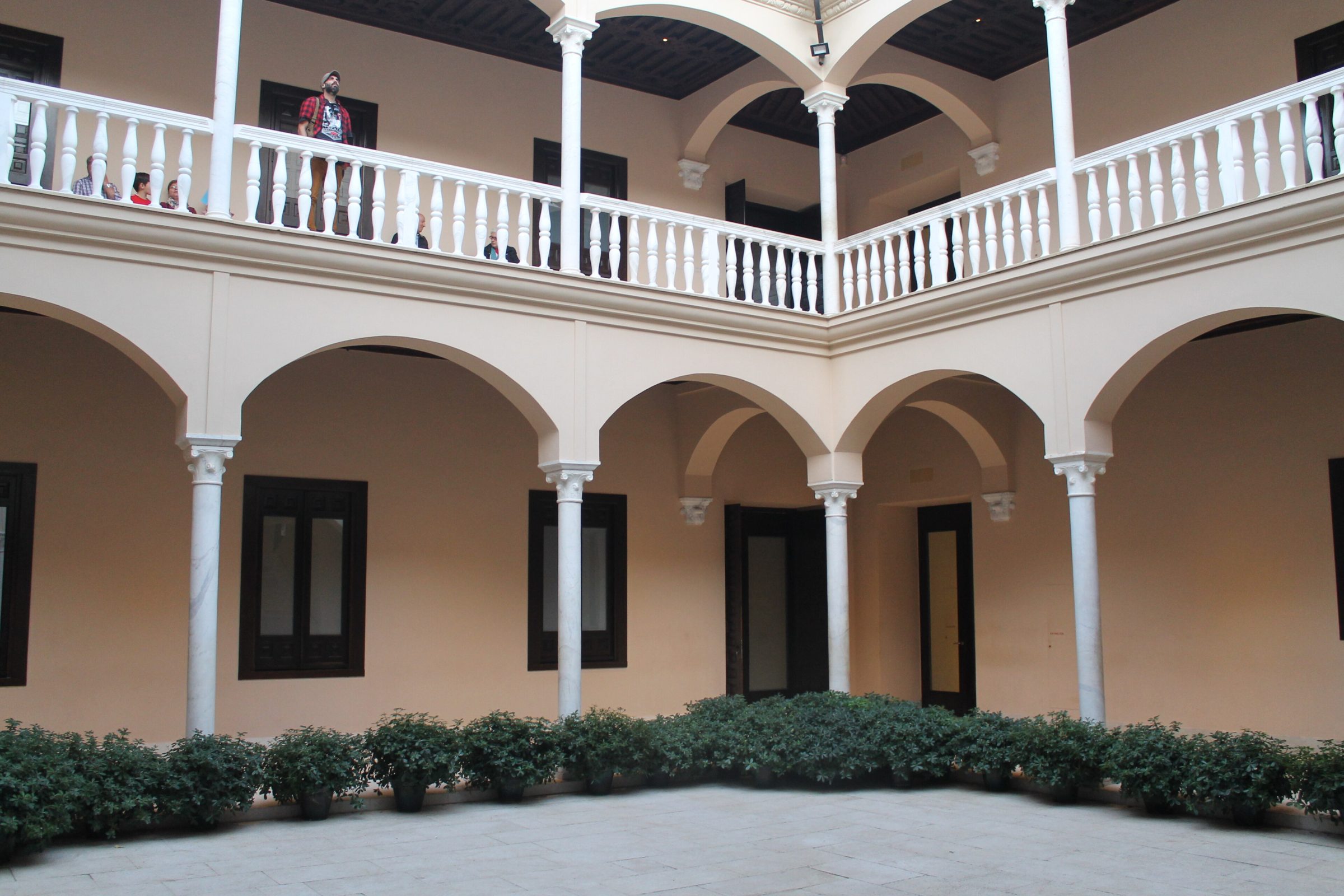
Inner courtyard and architecture: The Palacio de Villalón stands out for its central porticoed courtyard with marble columns and its carved wooden coffered ceilings, which are works of art in their own right.
Temporary exhibitions: In addition to the permanent collection, the museum is very dynamic. It continually hosts top-class temporary exhibitions ranging from the historical avant-garde to international modern art (such as Monet, Matisse and Picasso).
Setting in the historic centre: The museum is situated in the area around Calle Compañía, a vibrant pedestrianised neighbourhood that connects art with everyday life in Málaga, full of traditional cafés and shops.
Educational and cultural centre: It boasts a packed programme of activities, children’s workshops, lecture series and themed guided tours, making it a living cultural centre, not just an exhibition gallery.